
Since 2022, I’ve returned to Big Bend National Park. Like so many, I felt I had already lived an entire life among this land before ever visiting. My name is called to restore my soul, and a piece of me has remained among the blooming prickly pears and towering Chisos Mountains ever since. Every return brings a new experience, one I could never have planned. Fitting, really, for the unpredictable nature of the Chihuahuan Desert.
Forces greater than my own brought me back to the region for a sixth adventure, this time during monsoon season. An invitation was extended by Sierra Club Lone Star Chapter Director Dave Cortez to canoe the Rio Grande through Boquillas Canyon for five days as part of the club’s outings program. An undeniable dream come true. I was familiar with the Sierra Club’s beginnings, including one of its founding members, John Muir, and its prominent visual voice, Ansel Adams. However, the extent of my knowledge stopped there. I was truly unaware of how this organization would allow me to experience one of the greatest adventures of my life.
Just as I arrived in Terlingua, Texas, on Friday, October 2, 2026, several events unfolded that were worth noting before our launch the following Monday. Recent storms along the eastern Pacific brought moisture toward the region, while a U.S. District Court ruling in El Paso temporarily halted construction of the border wall across Texas’s Big Bend sector. Both developments were worth celebrating, but these small victories were reminders of how much this land has suffered and how long a road it still has ahead in the fight to stay alive.
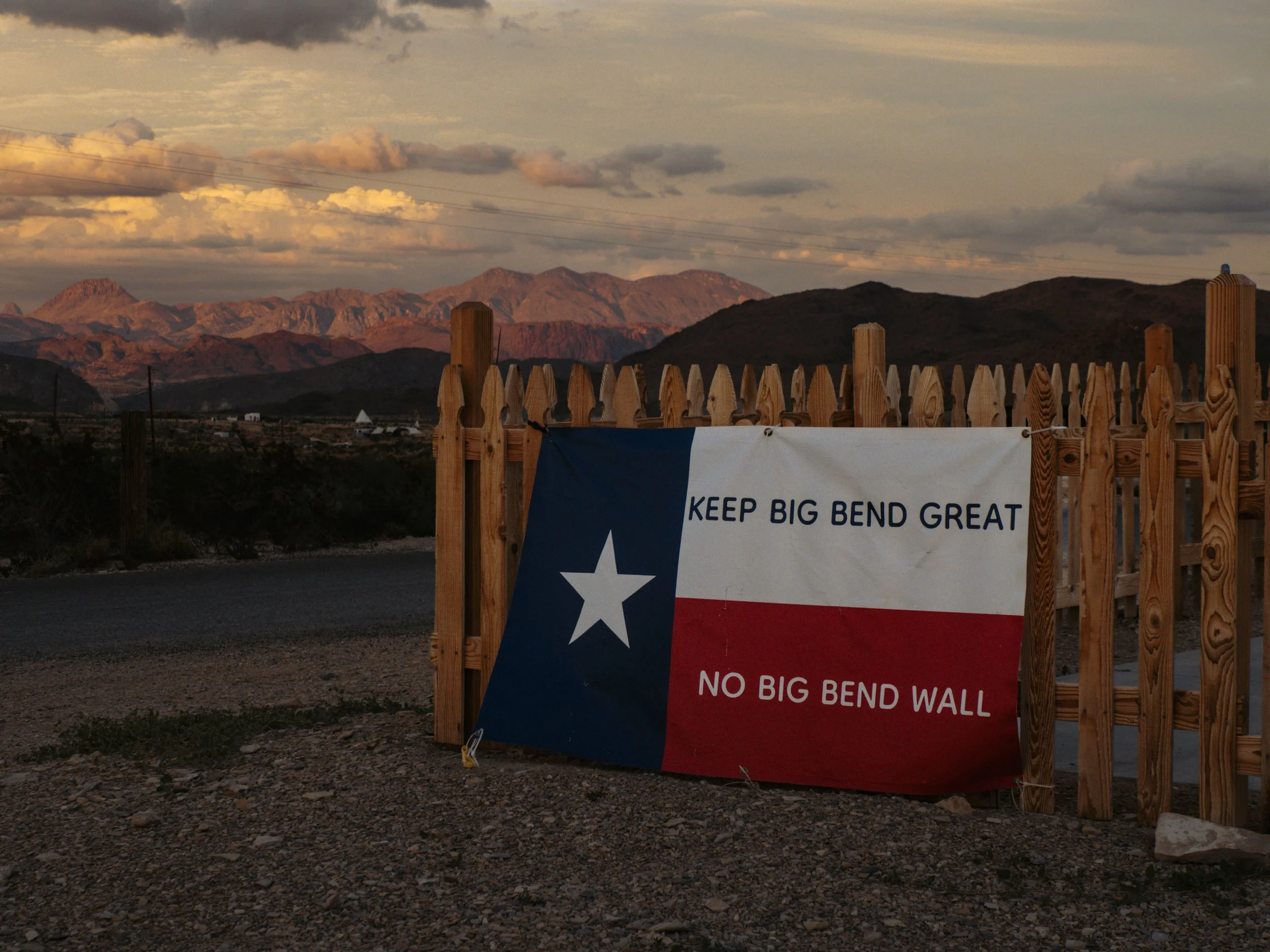
“No Big Bend Wall” alliance throughout Terlingua, TX. October 2026.
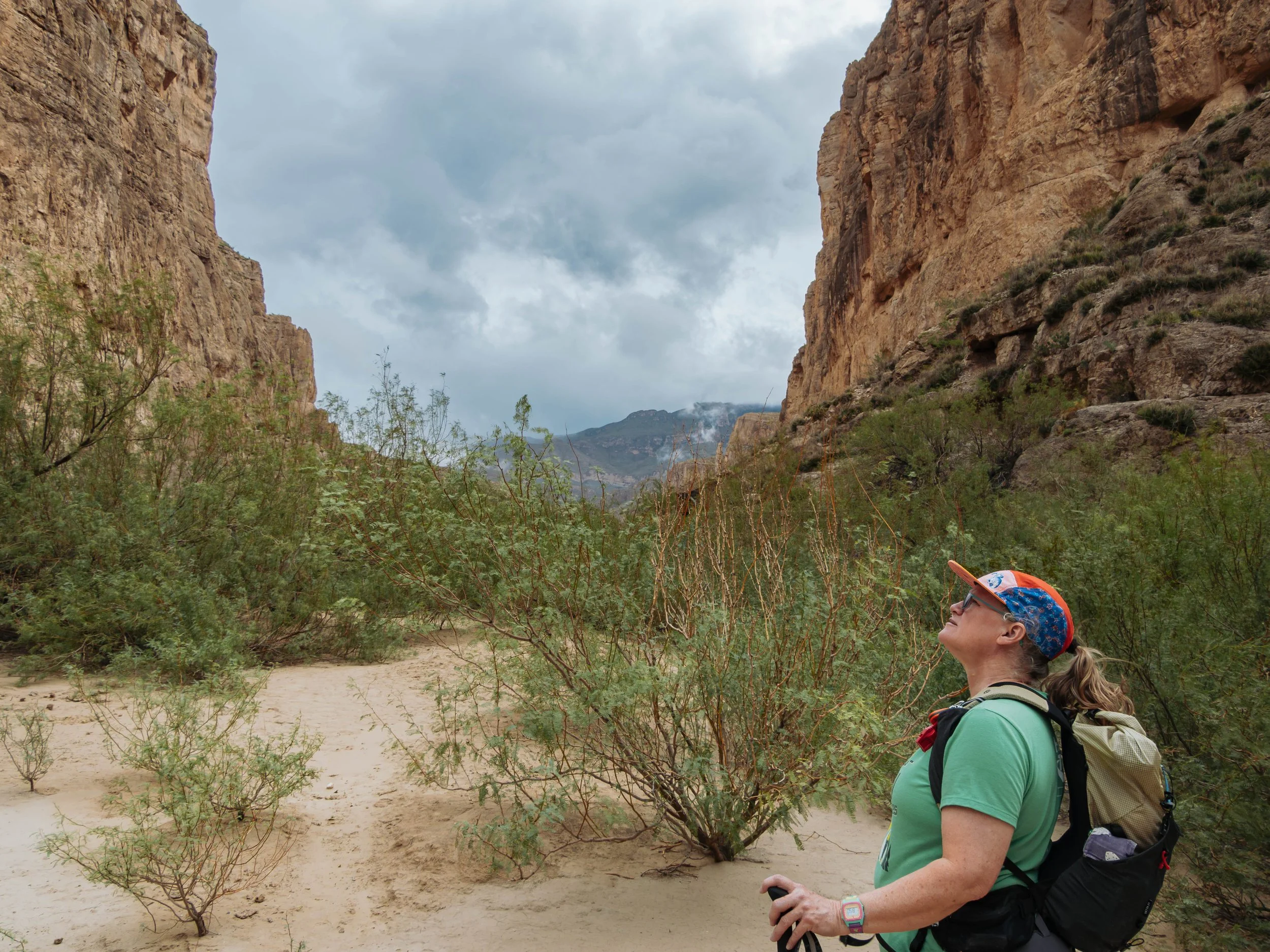
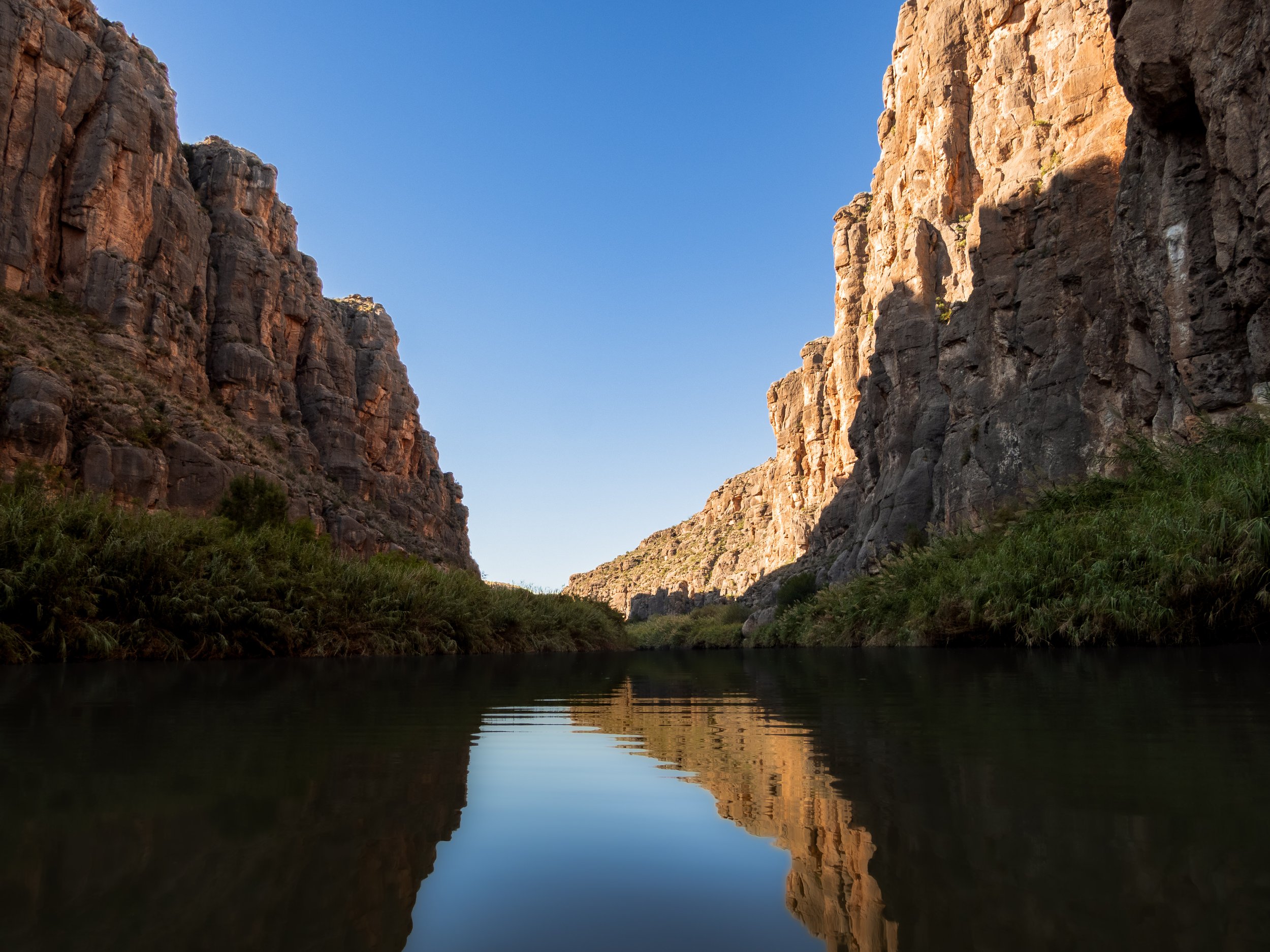
On Monday, I said goodbye to civilization, entrusting our river guides to lead us through the mouth of Boquillas Canyon. I’m not new to adventuring with a group of strangers; however, this level of significance was fresh. The winds challenged our stamina, while the towering canyon walls greeted us with awe-inspiring views. This was the first time I had entered Boquillas Canyon, or any canyon by river. For eleven miles, my canoe partner and I familiarized ourselves with a rhythm of paddling and conversation. Without prior experience or training, maintaining our course was relatively easy, with only a few minor Class I rapids along the way. Our guides graciously assisted us through obstacles created by shifted rocks and debris left behind by previous flash flooding until we reached our first campsite.
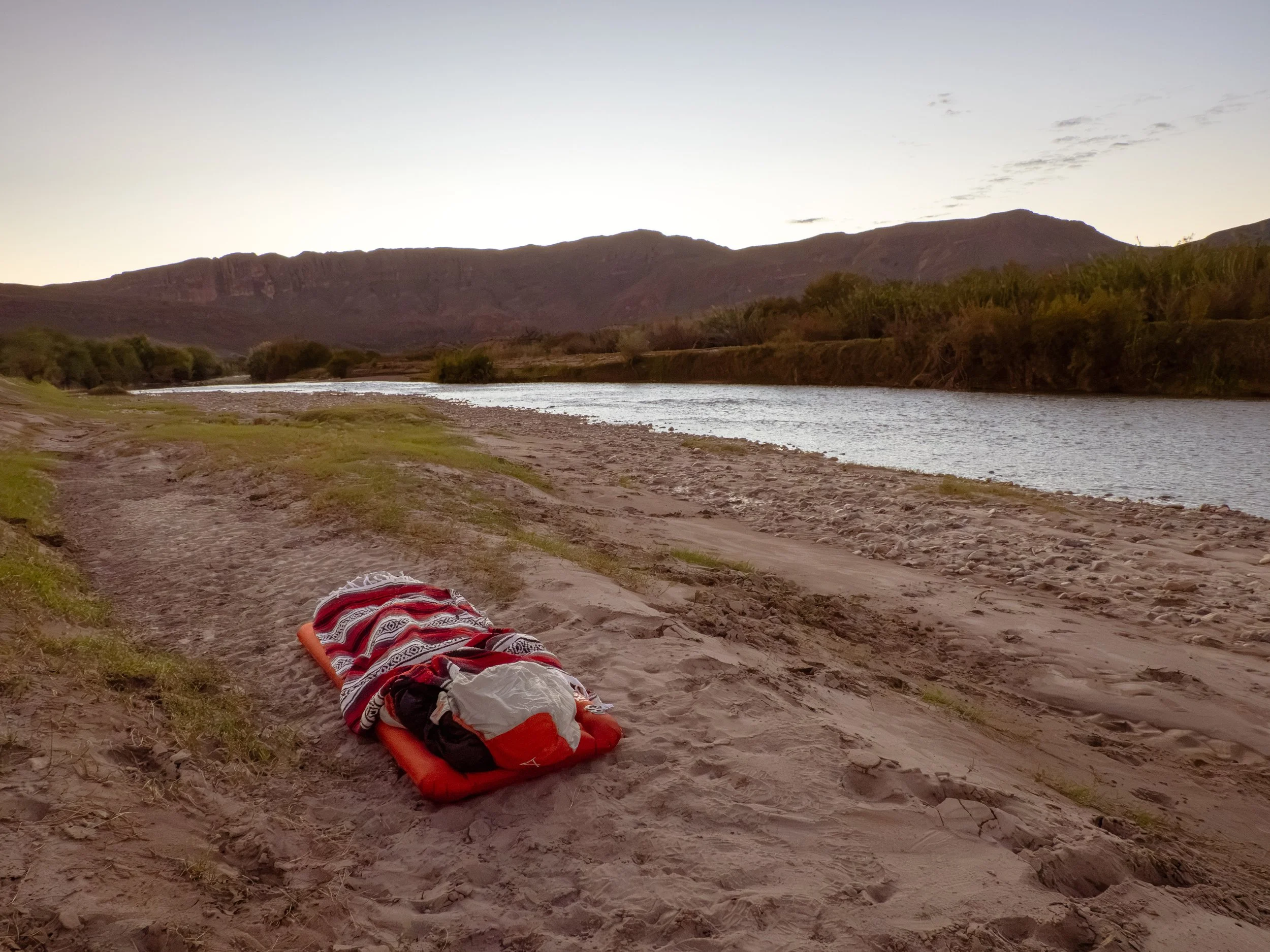
Here is where I was truly able to soak in the magnitude of this adventure. As we awaited our first camp dinner, I set up beside the river, a recurring theme for the remainder of the trip, where I would eventually lie beneath the stars. Throughout the night, the sojourners and residents of the desert sky chirped as they departed the limestone walls, navigating the canyon's ecosystem and engaging in their nightly hunts. Too overcast and tired to seek out the Milky Way, I allowed the gurgling river to serenade me into a deep slumber.
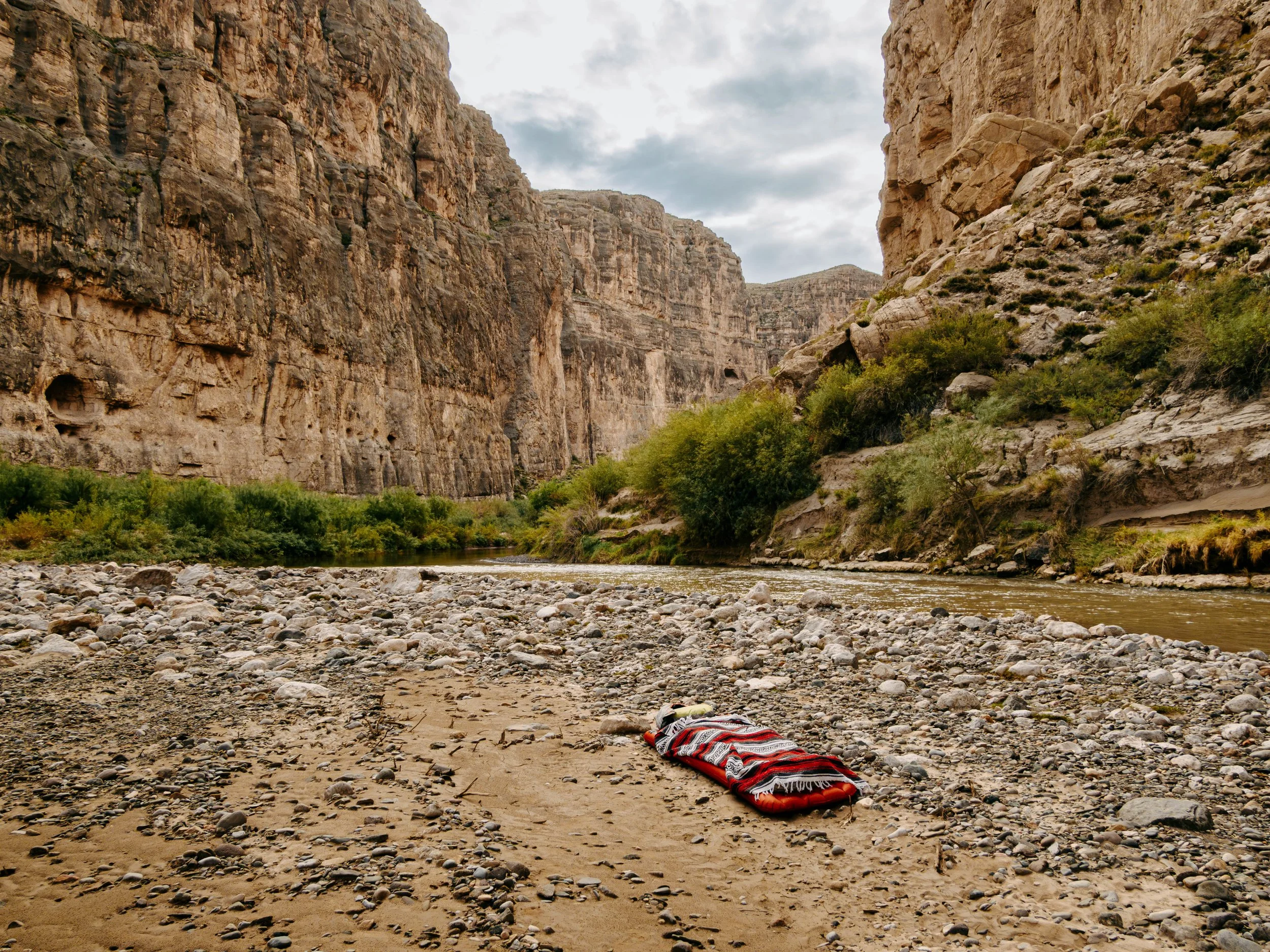
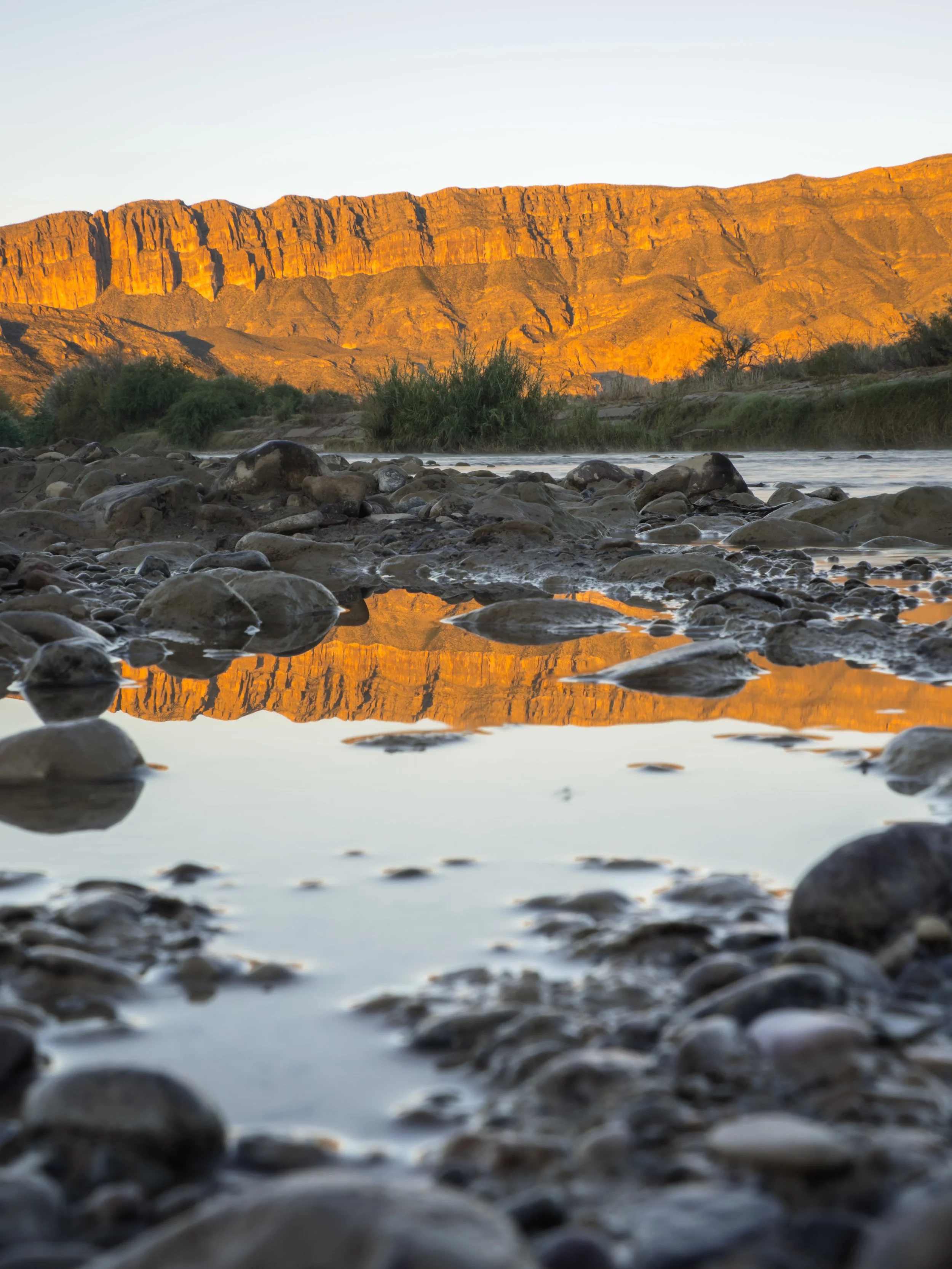
Awakened by the break of dawn, I was pleased to see cascading waves of light and moisture spill over the Sierra del Carmen downstream. The desert's moody textures still had a performance to give, making our morning coffees a top-tier experience. A handful of us stood in amazement before preparing for our second day of canoeing.
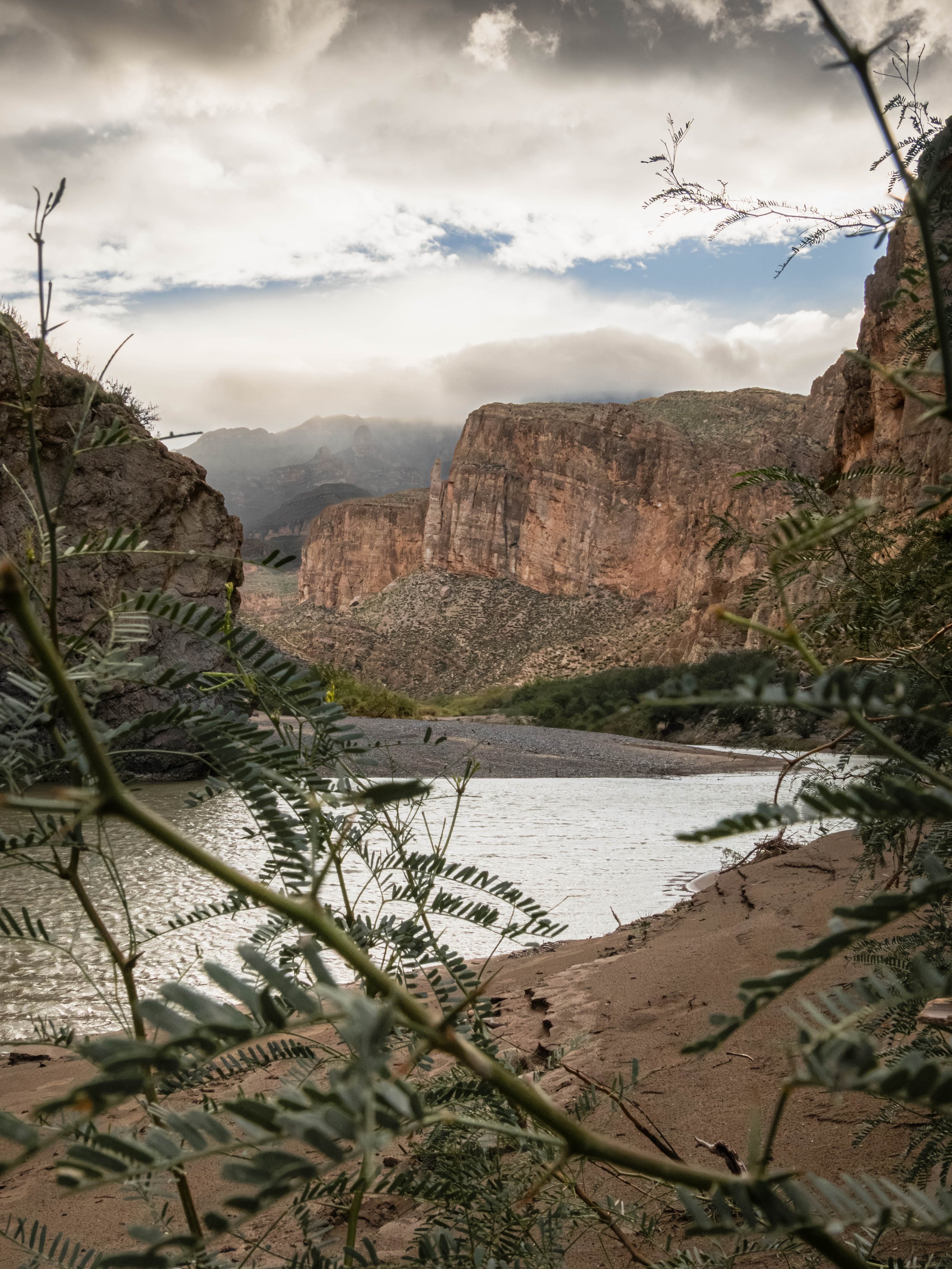
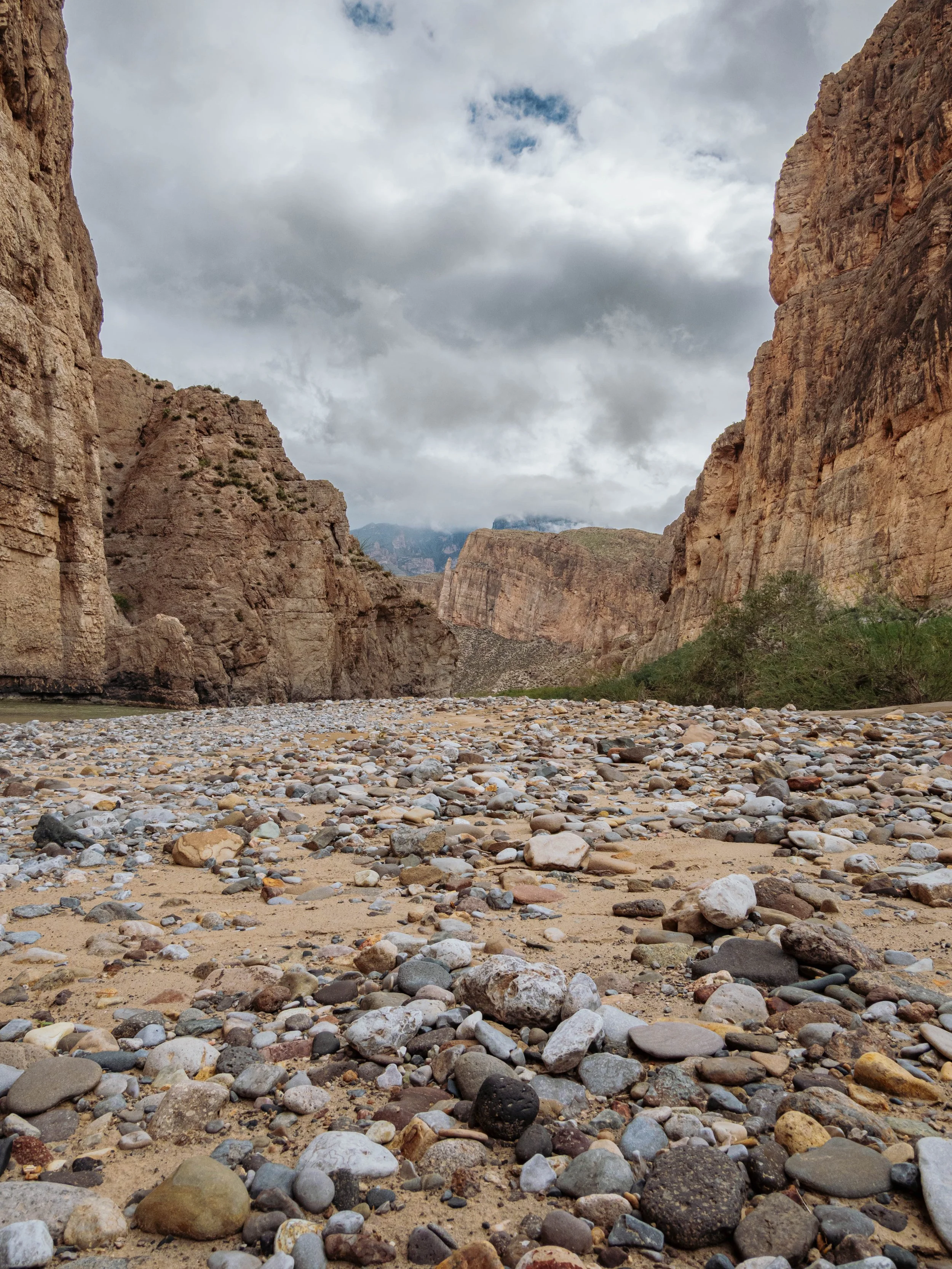
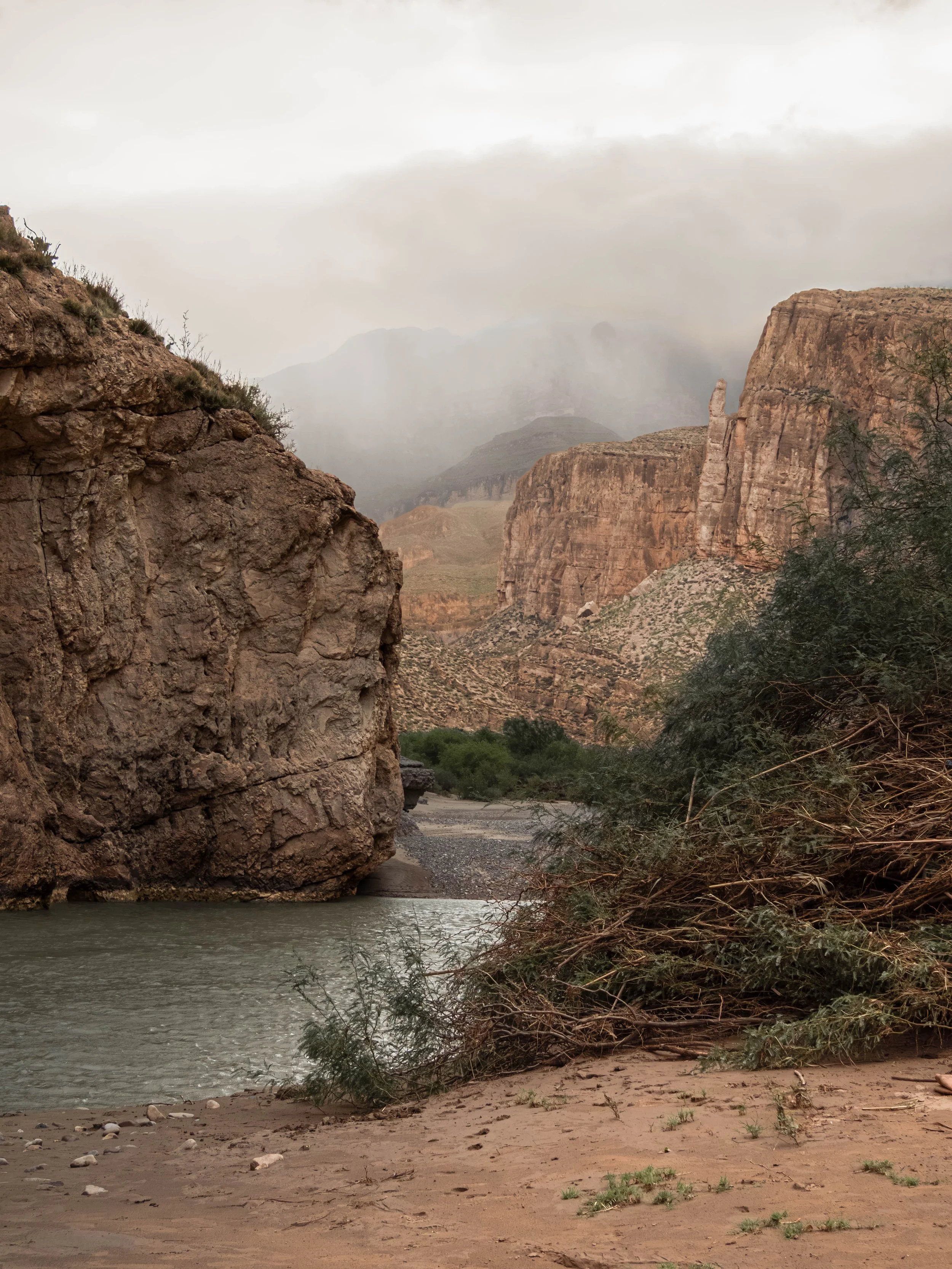
Before launching, as we would do on several days throughout the trip, our river guides led us on a short hike into Mexico, offering an adventure very few people in this world will ever get to experience. Puerto Rico Canyon was full of life, from thin-bedded limestone stacked like flapjacks to clusters of hedgehog cacti clinging to the smaller canyon walls. This brief side adventure reminded me how easily I can lose myself in exploration. I felt so small, and I was happy to recognize my own insignificance in such a wild place.
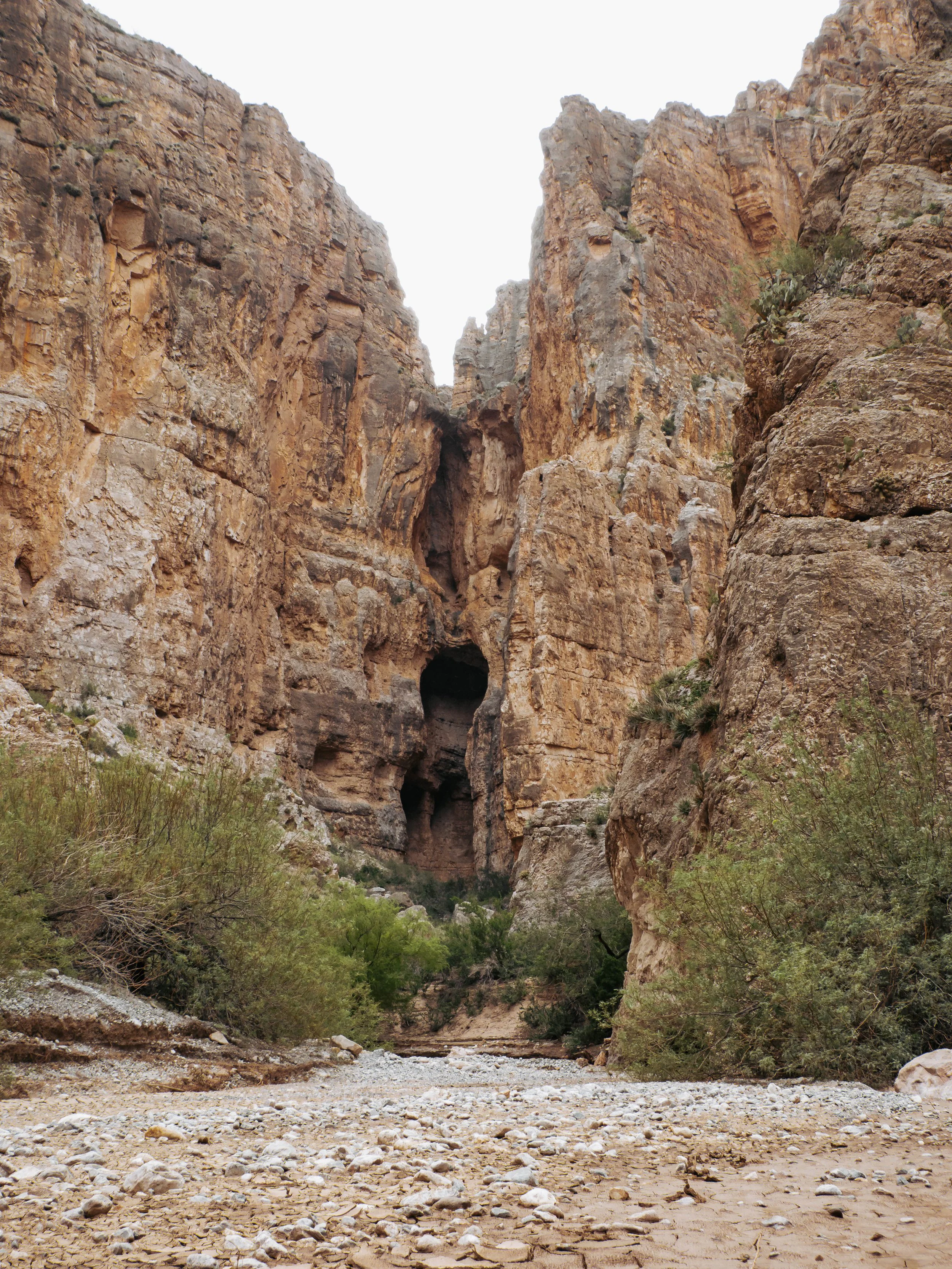
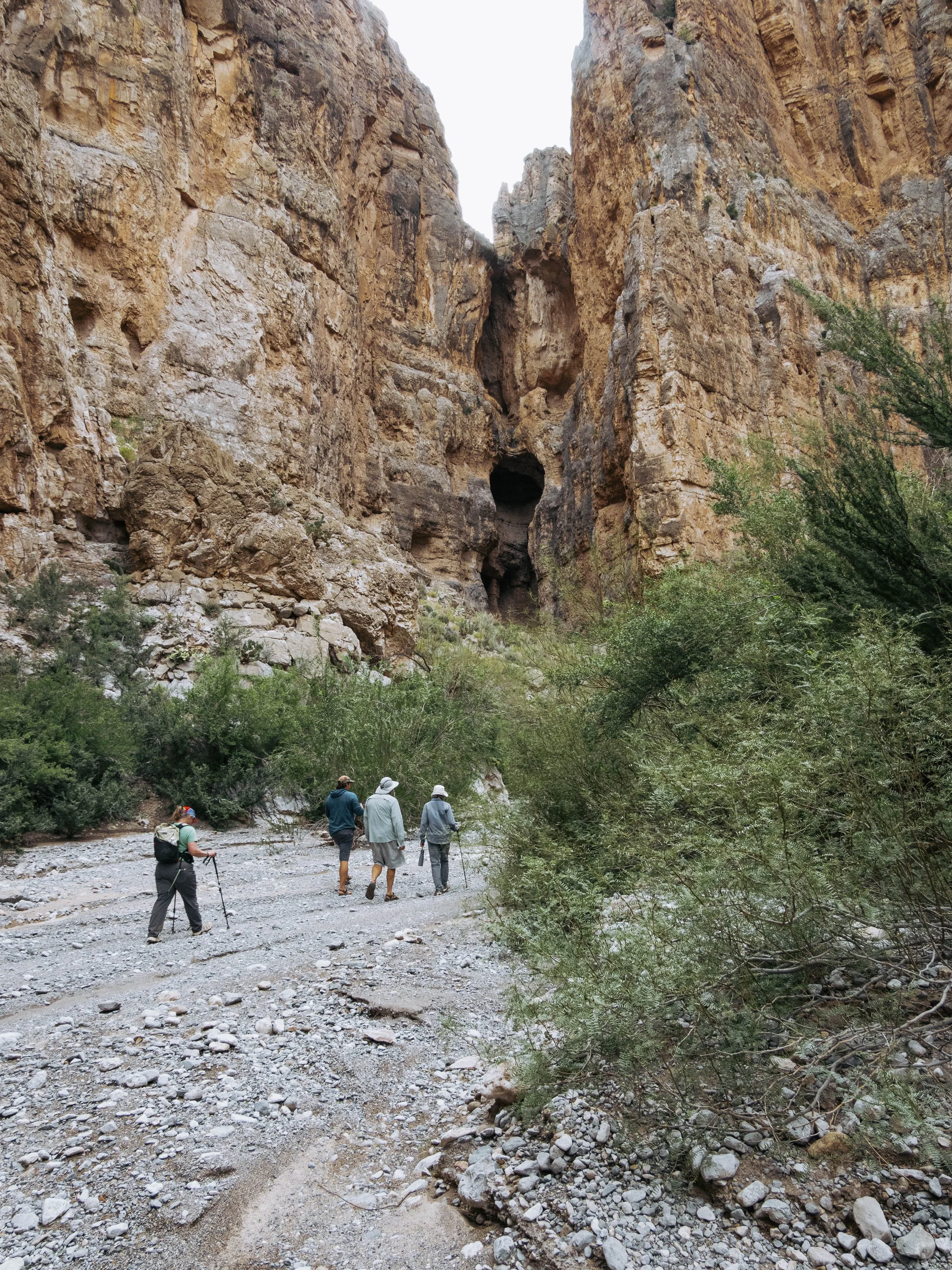
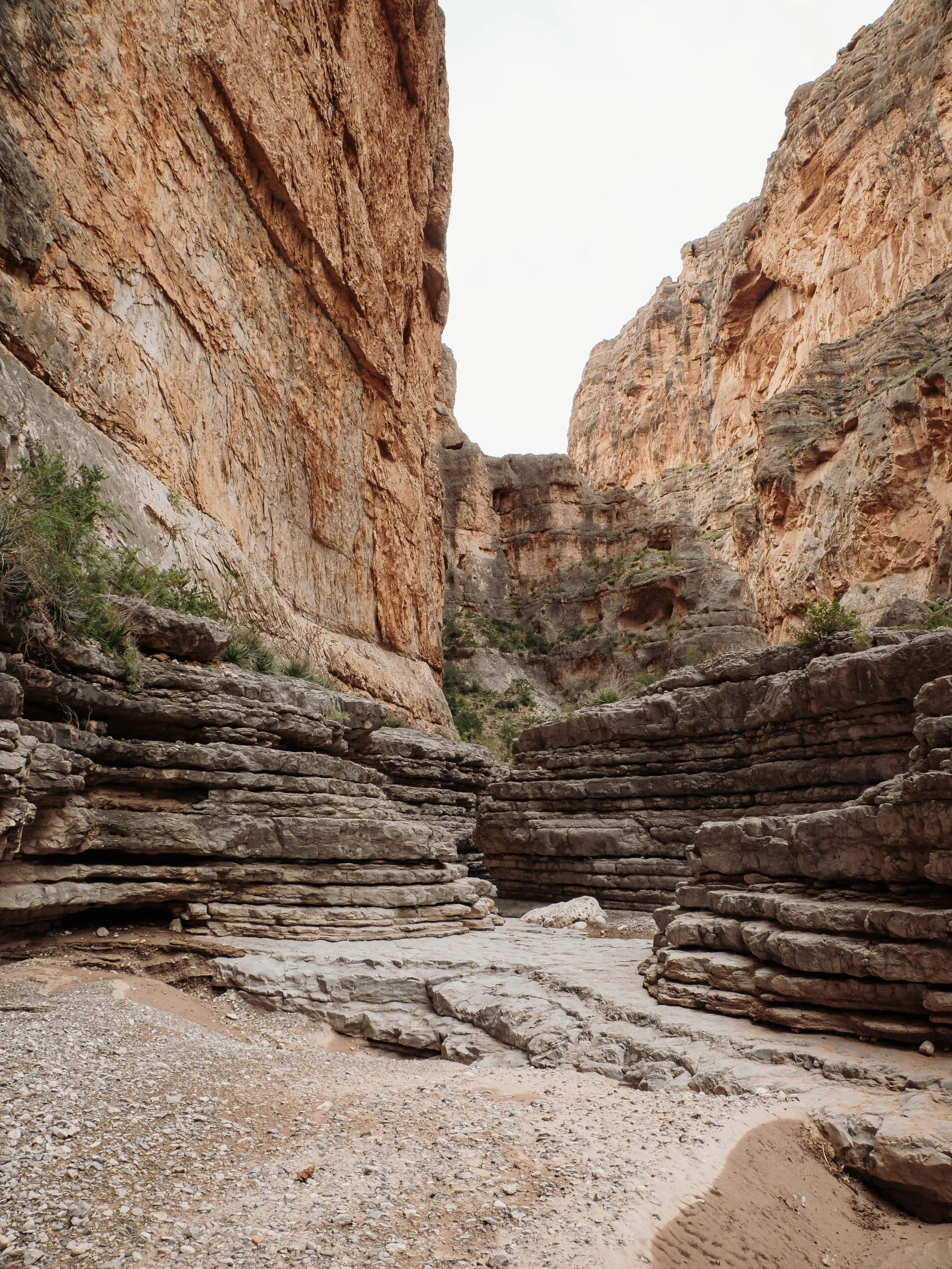
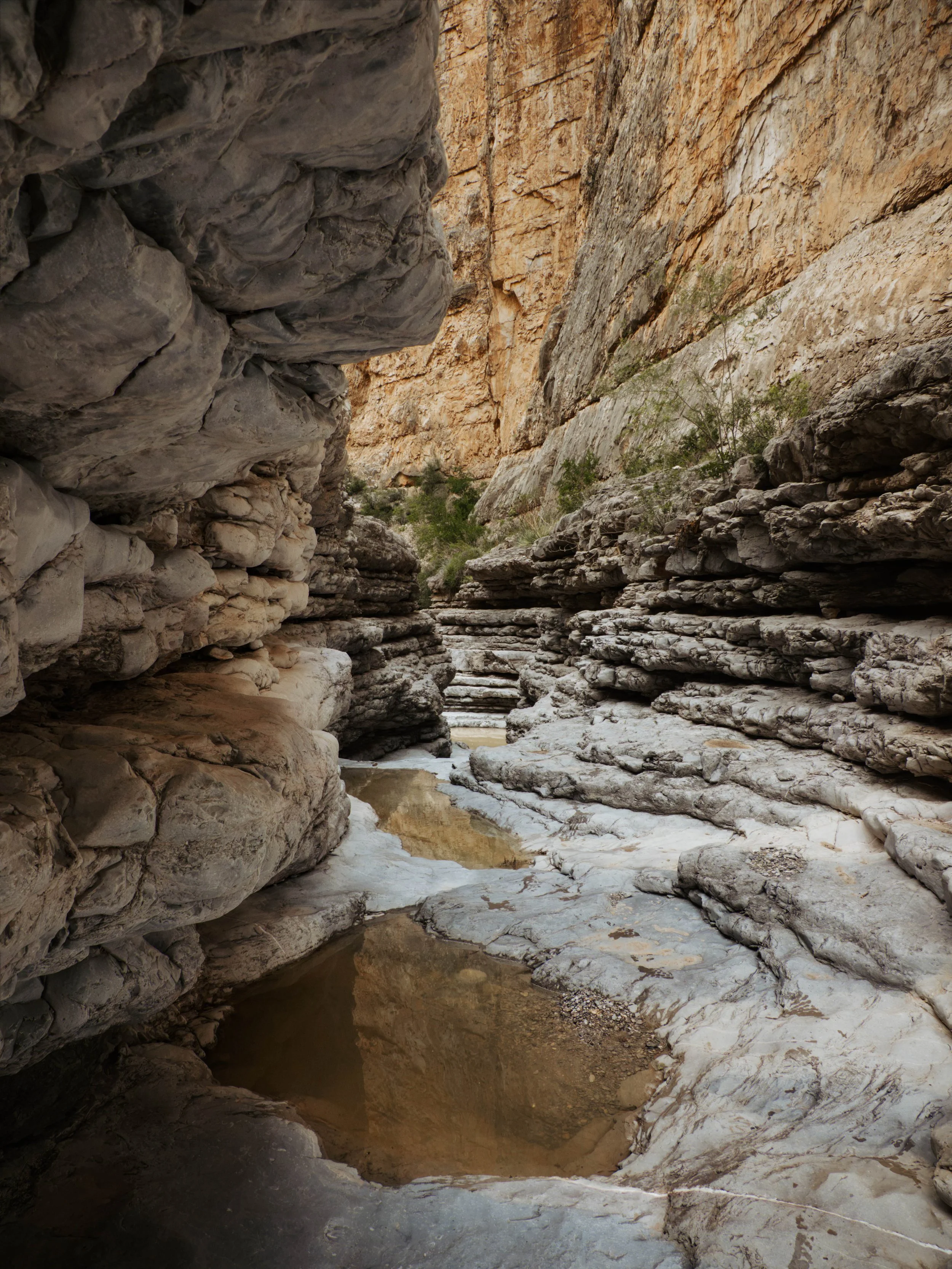
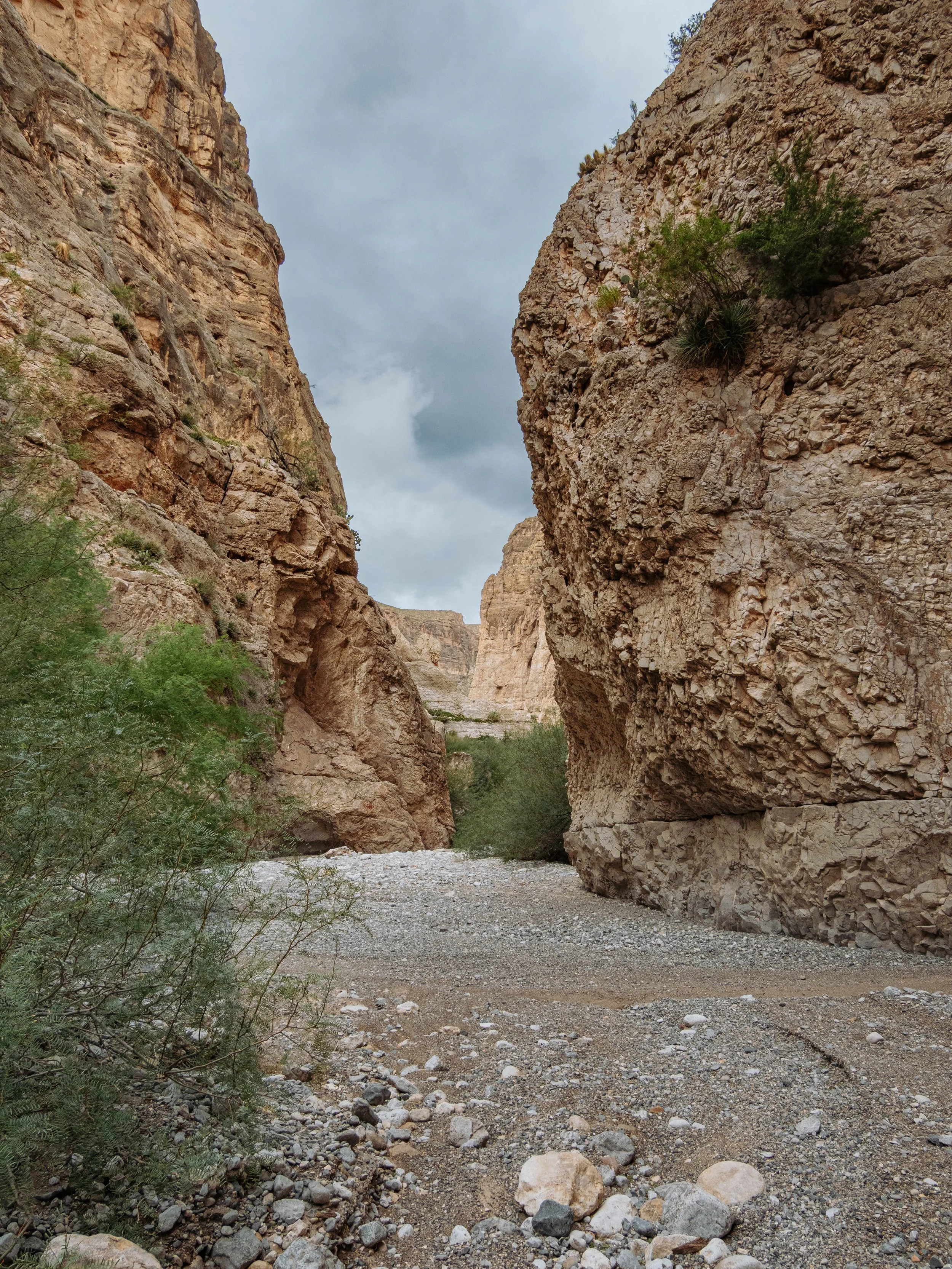
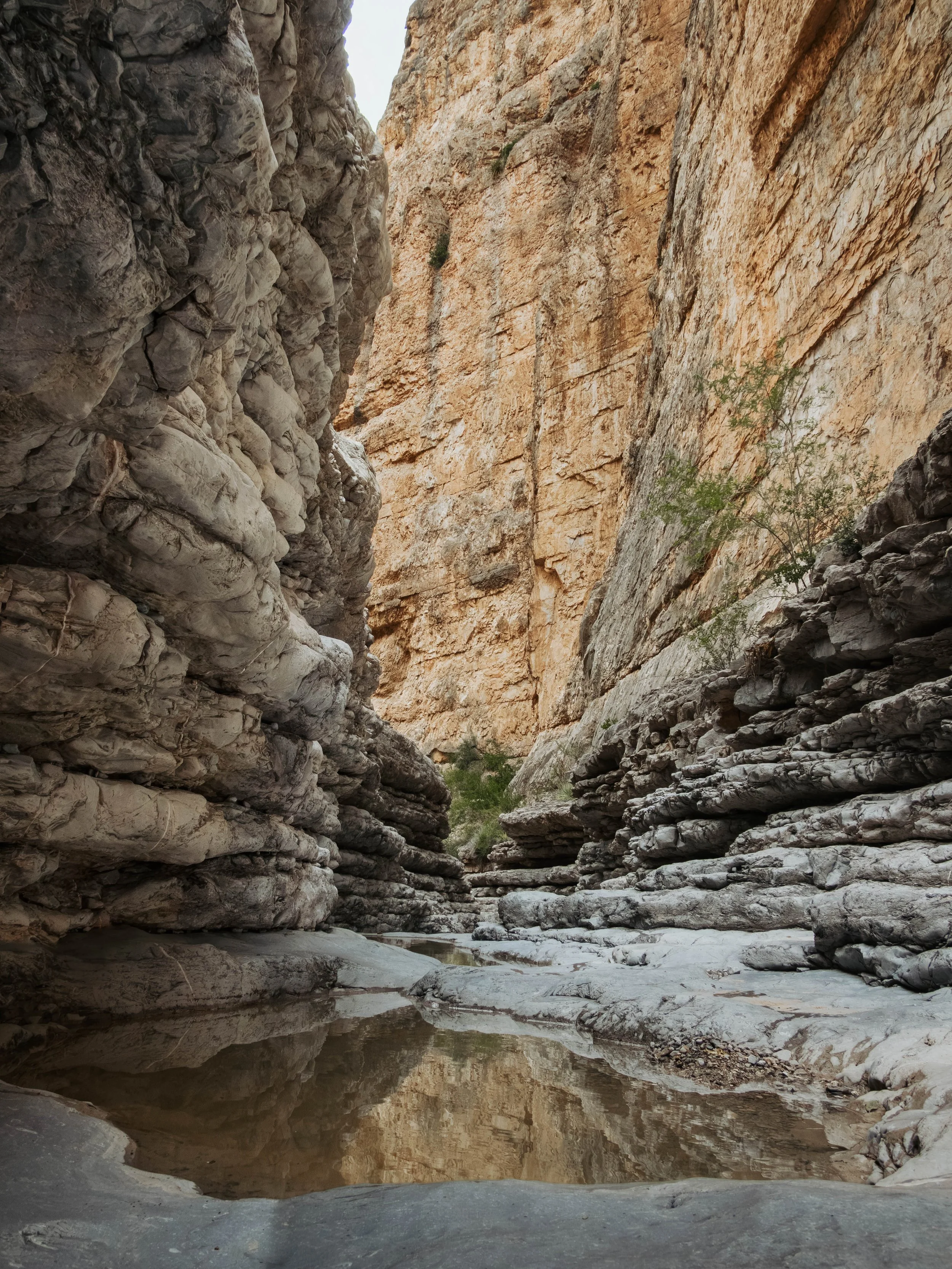
As we hiked back out of the side canyon, I was captivated by the formations that surrounded our first campsite: towering natural structures, uneven yet smoothed rocks seemingly cemented into the earth, cracked mud gasping for more rainfall, and vegetation bursting with greenery. I detached my camera one last time before heading toward the canoes, bending my elbows to frame my vantage point. Everything before me led my eye toward the river that had carved this entire painting. The Rio had led me this far, but its response to decades of drought and careless development had also unveiled centuries of life within the Chihuahuan Desert.
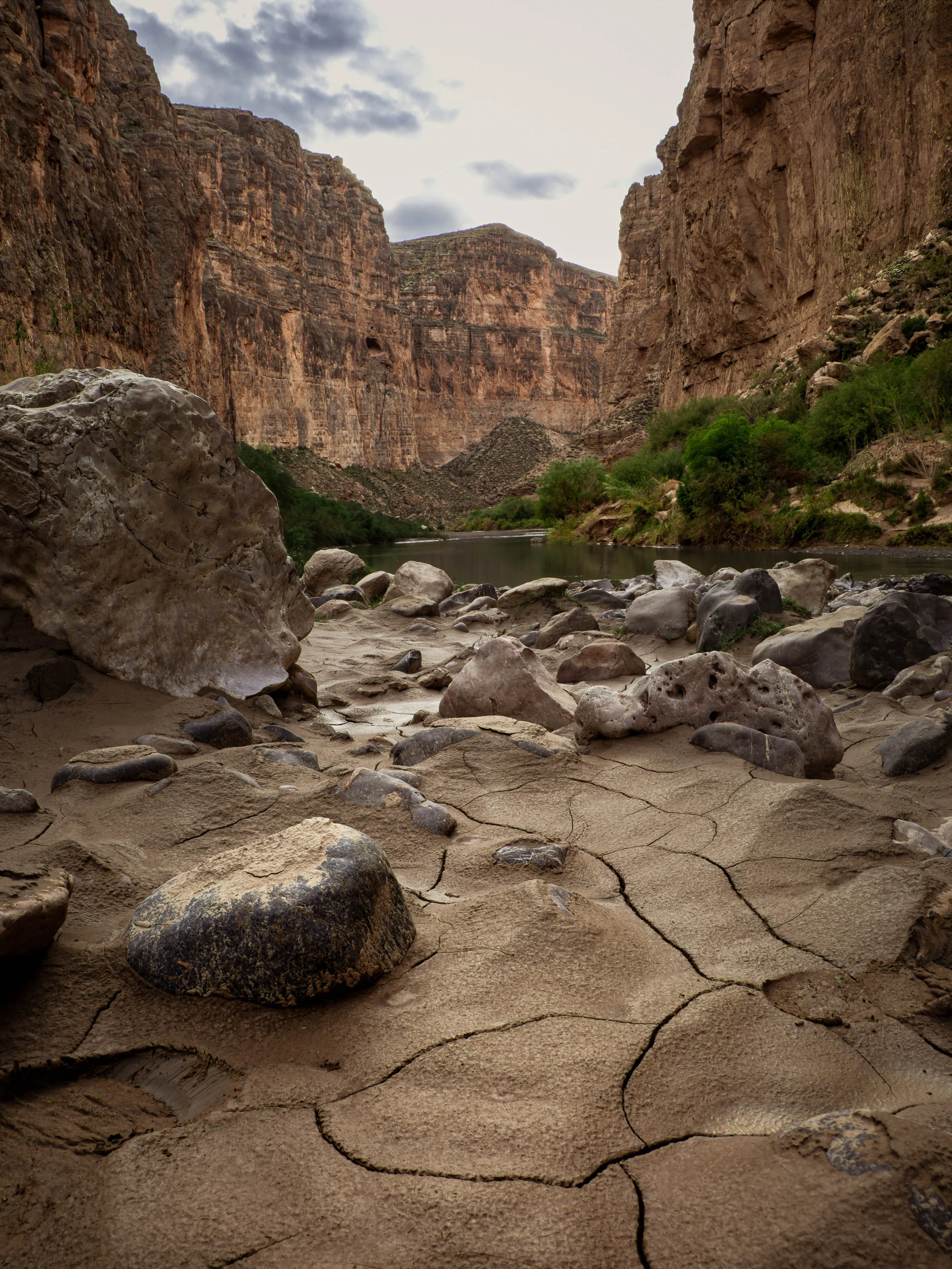
“Rio Carving” October 2026.
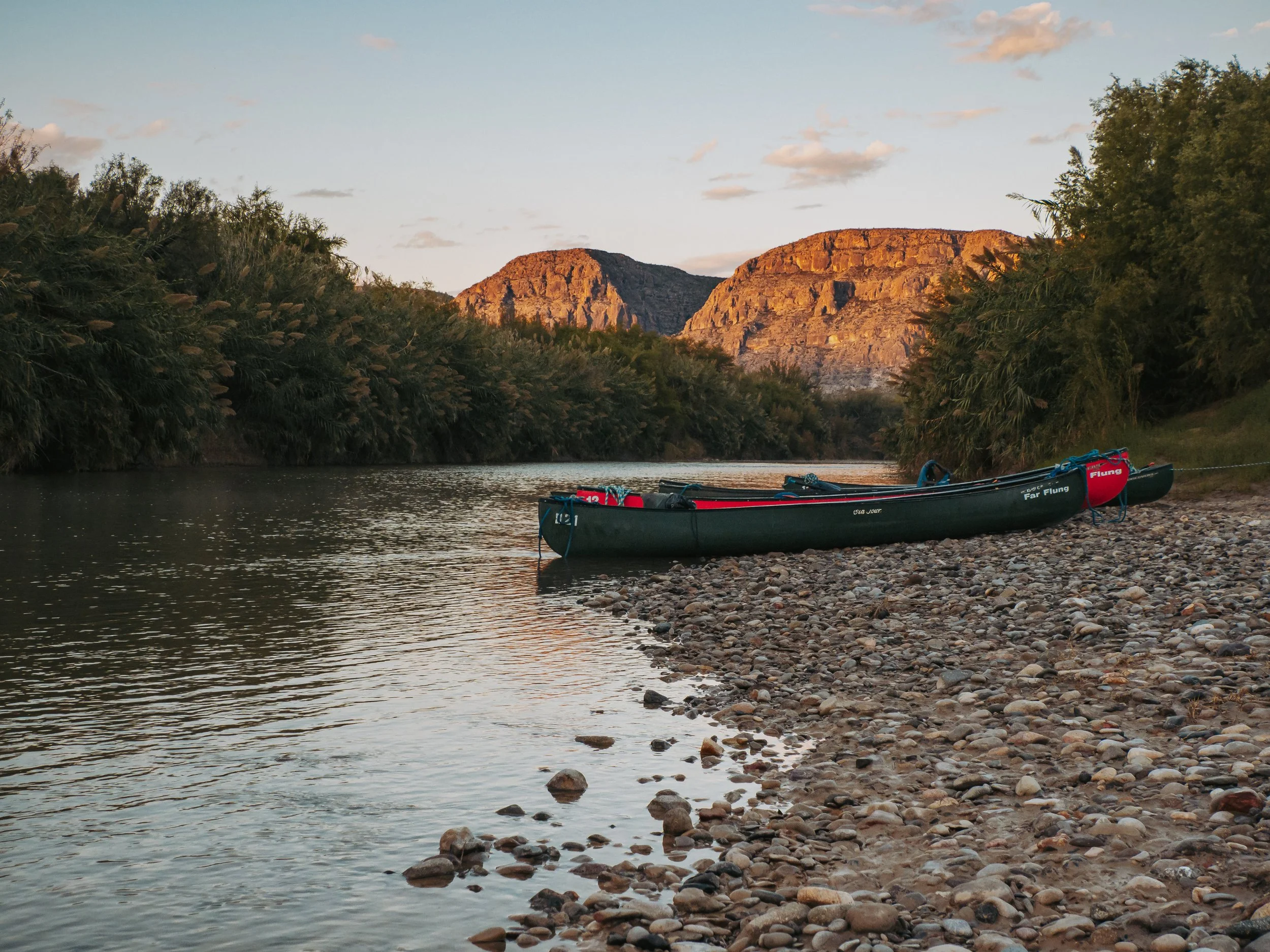
Each day, our paddling distances became shorter and easier. Since taking on the responsibility of stern paddler, I had found comfort in my role. Evenings were reserved for setting up camp (always beside the river), gathering around food, and surrendering to campfire conversations before resisting sleep just long enough to watch the Milky Way brush across the night sky.
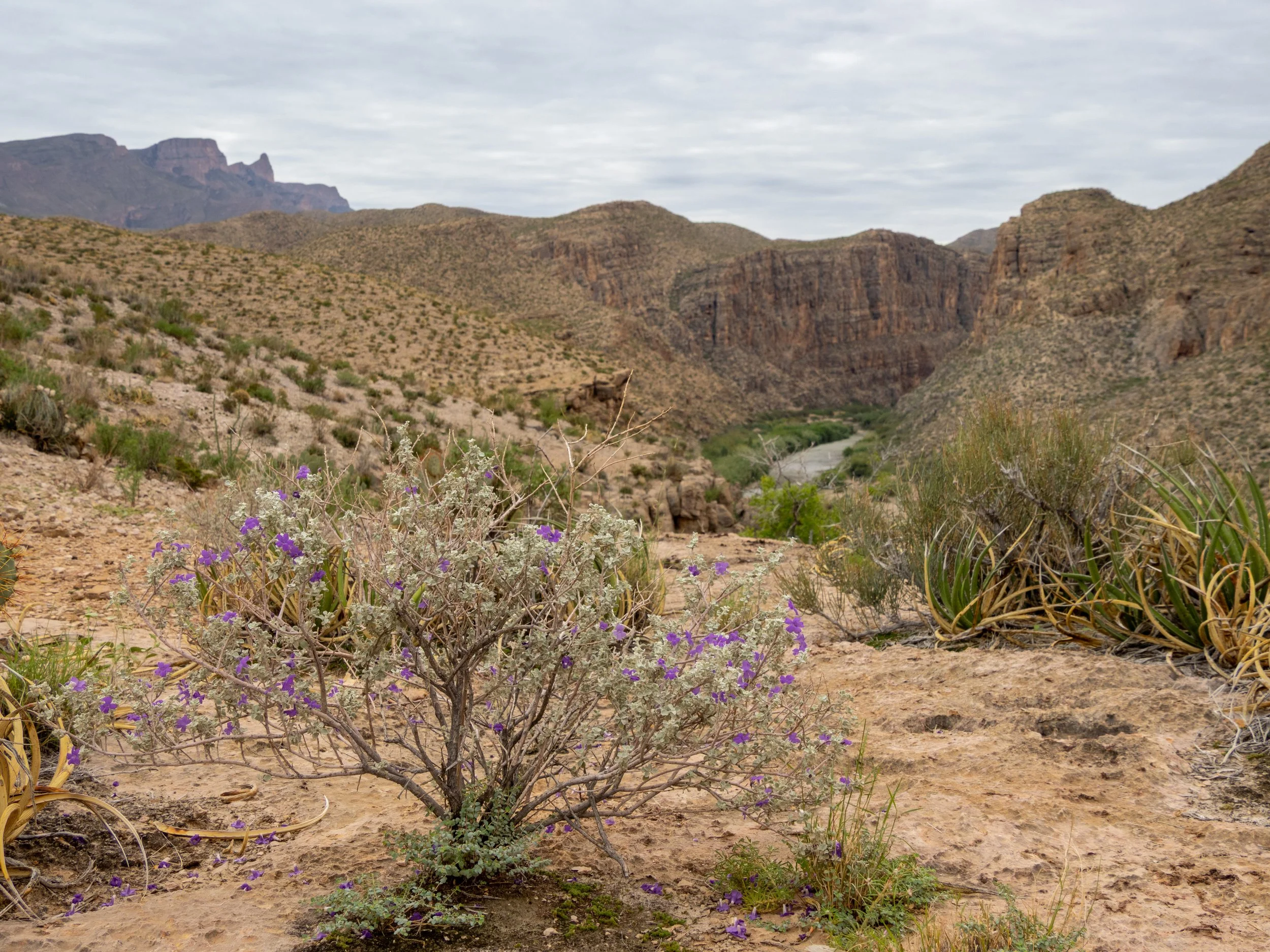
Mornings and lunch breaks, however, offered opportunities to learn more about the keystone species unique to the Chihuahuan Desert while soaking in the landscape’s magnificence.
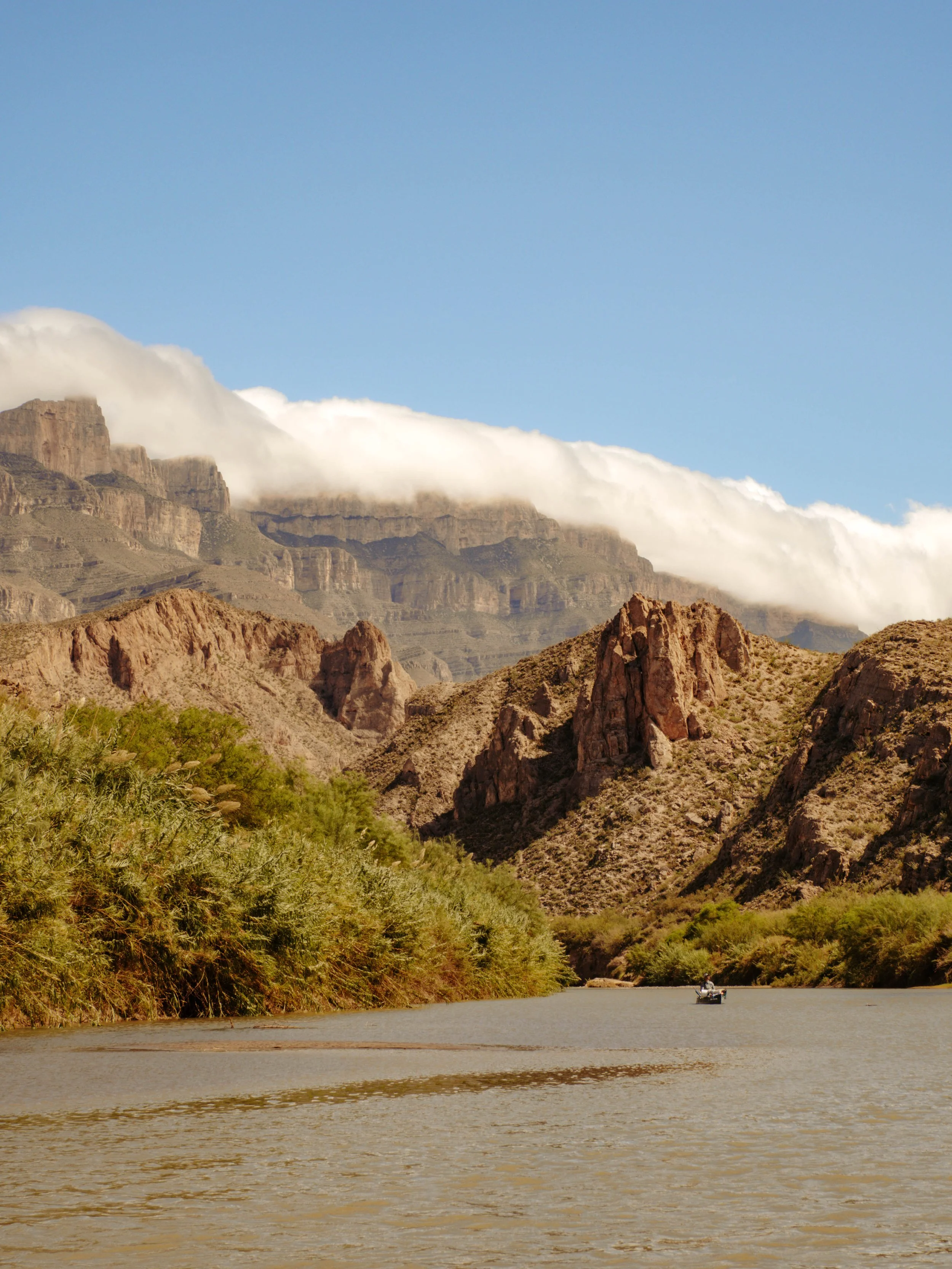
Sierra del Carmen towers over Boquillas Canyon. October 2026.
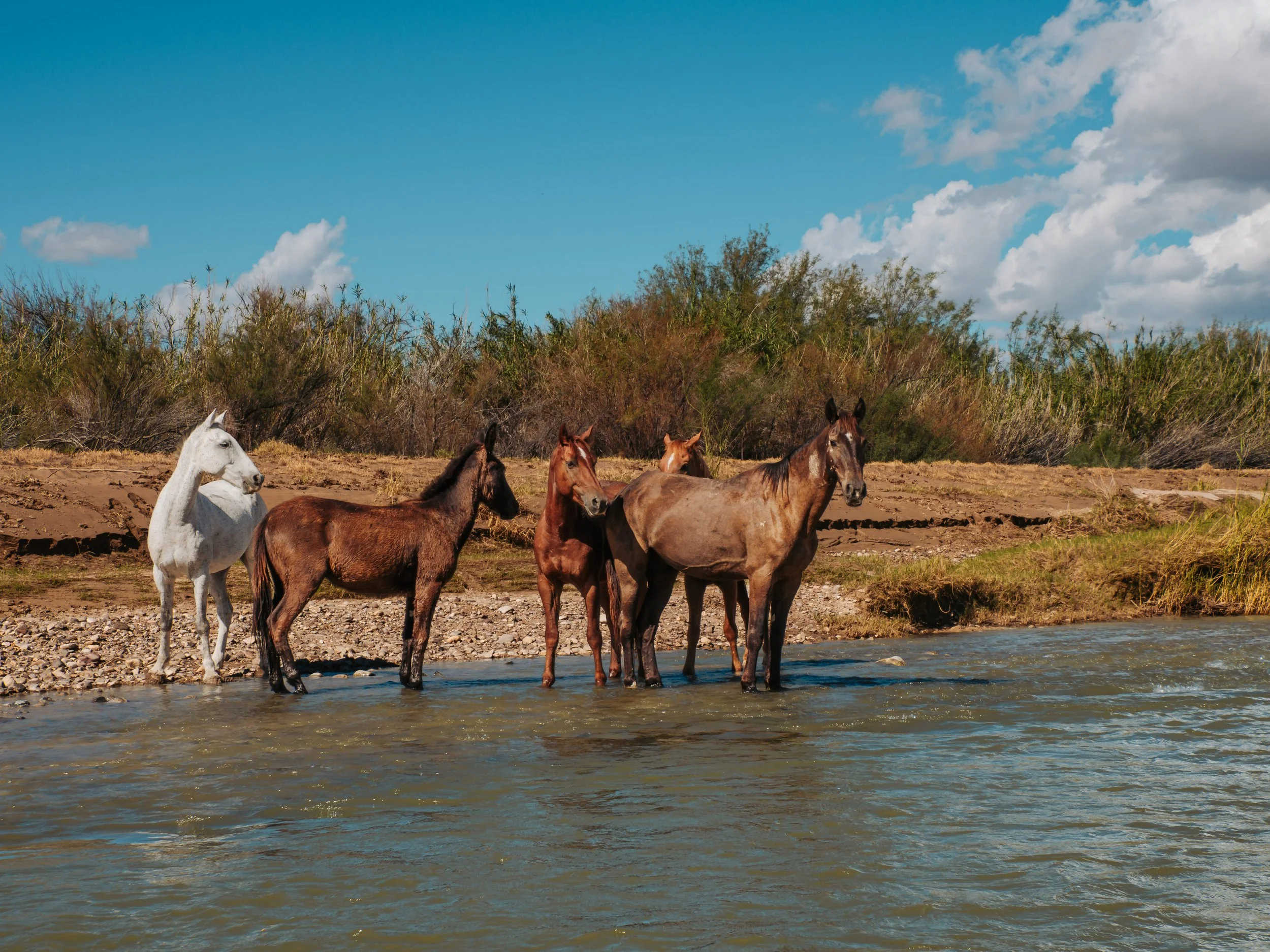
The bursts of sunset color never lasted long. I never had control over capturing the "perfect photograph," even though my camera had become an extension of my wrist. As everyone gathered near the camp kitchen, I became distracted by the changing colors above. The moment my eye caught a glimmer of pink in the clouds, I sought solitude from the group. Walking along the riverbank, I noticed small tracks in the earth. Perhaps a fox or a young coyote. But it was the unknown creature disappearing into the mountains beneath the setting sun that pleased me most.
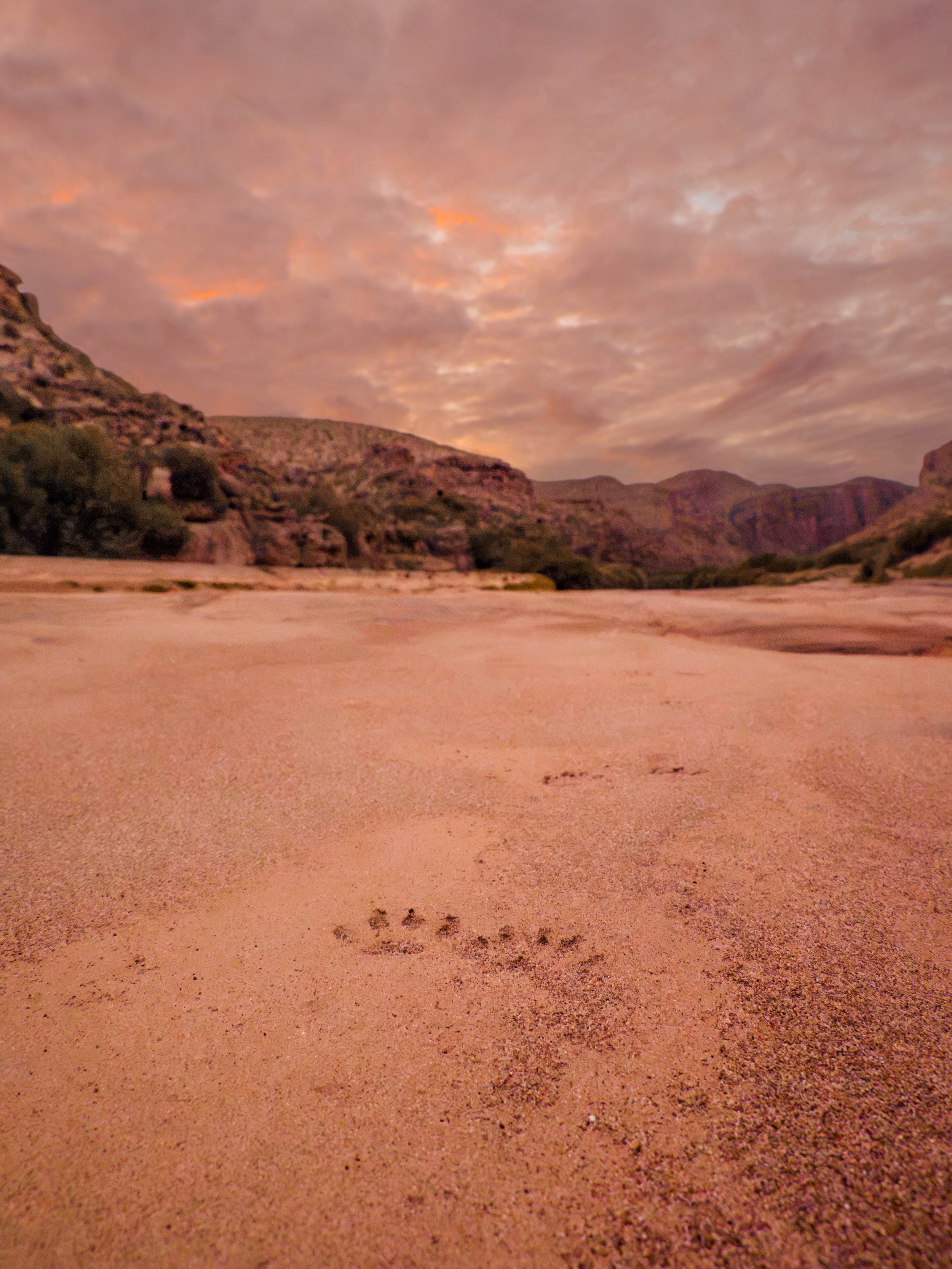
I knelt in the river, eager to let time pass in anticipation of the right moments. With less than ten minutes to remain present, I captured three photographs I consider breathtaking, not because they are perfect, but because I was in the perfect place to soak in the importance of this landscape.
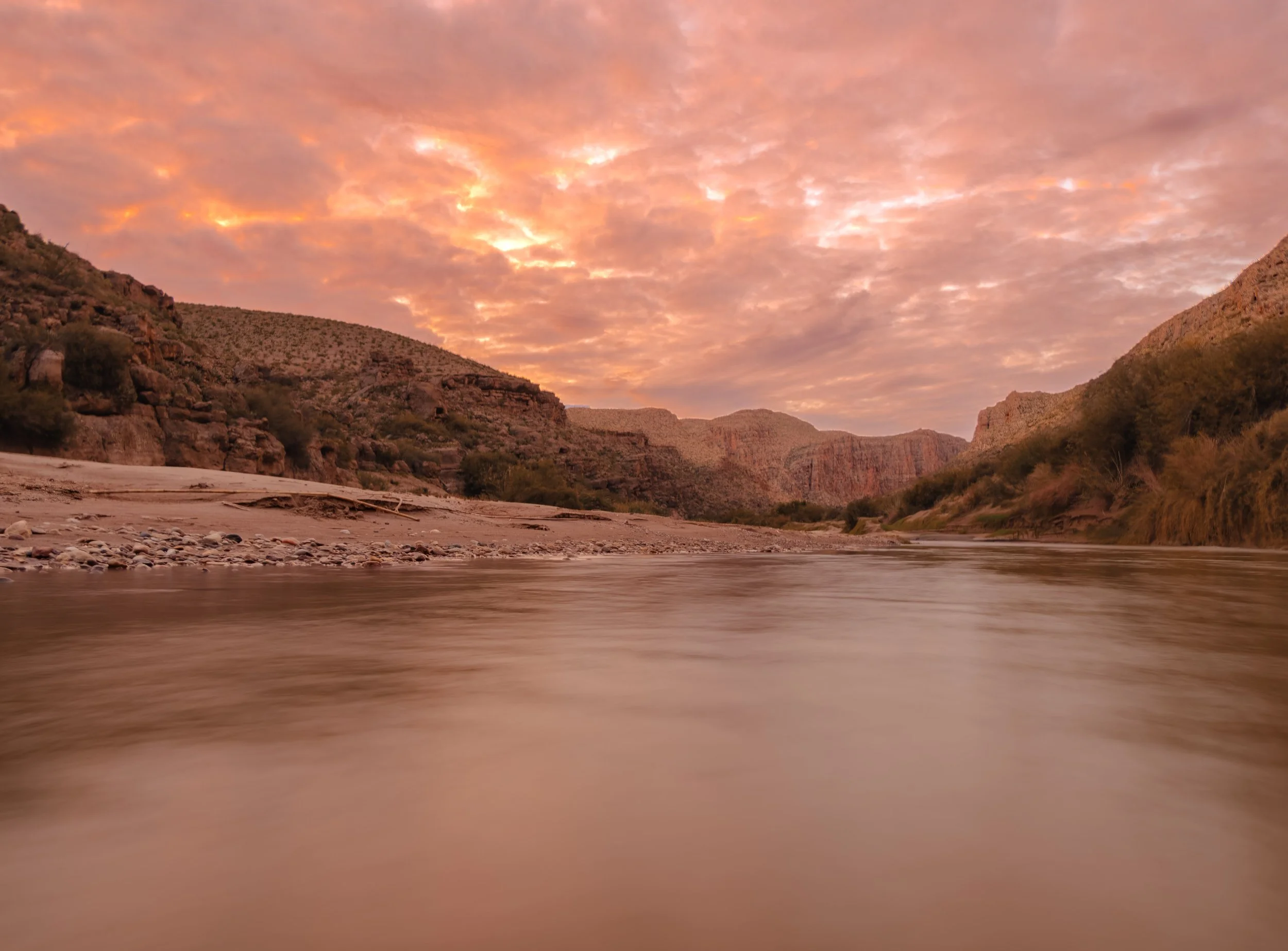
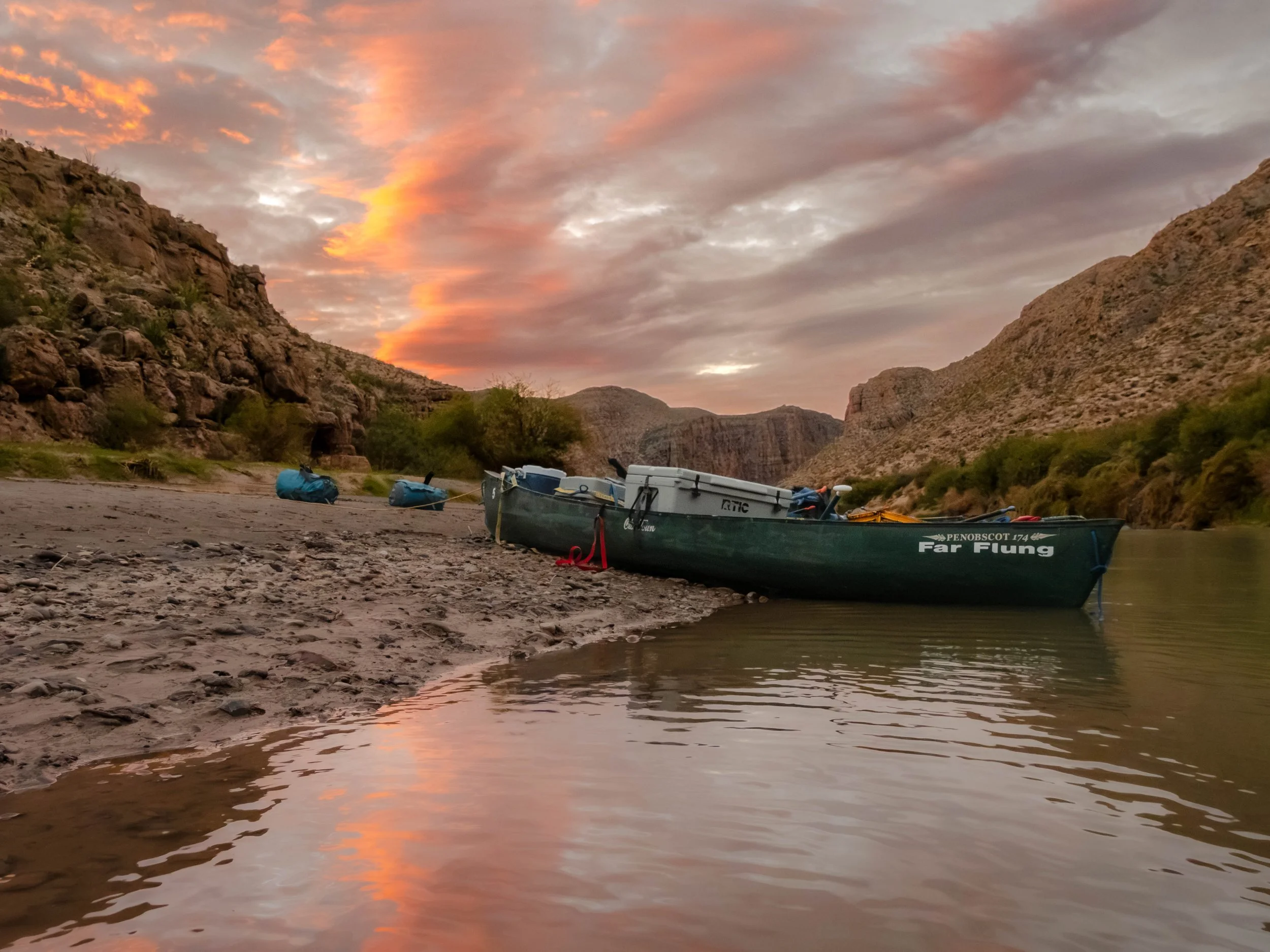
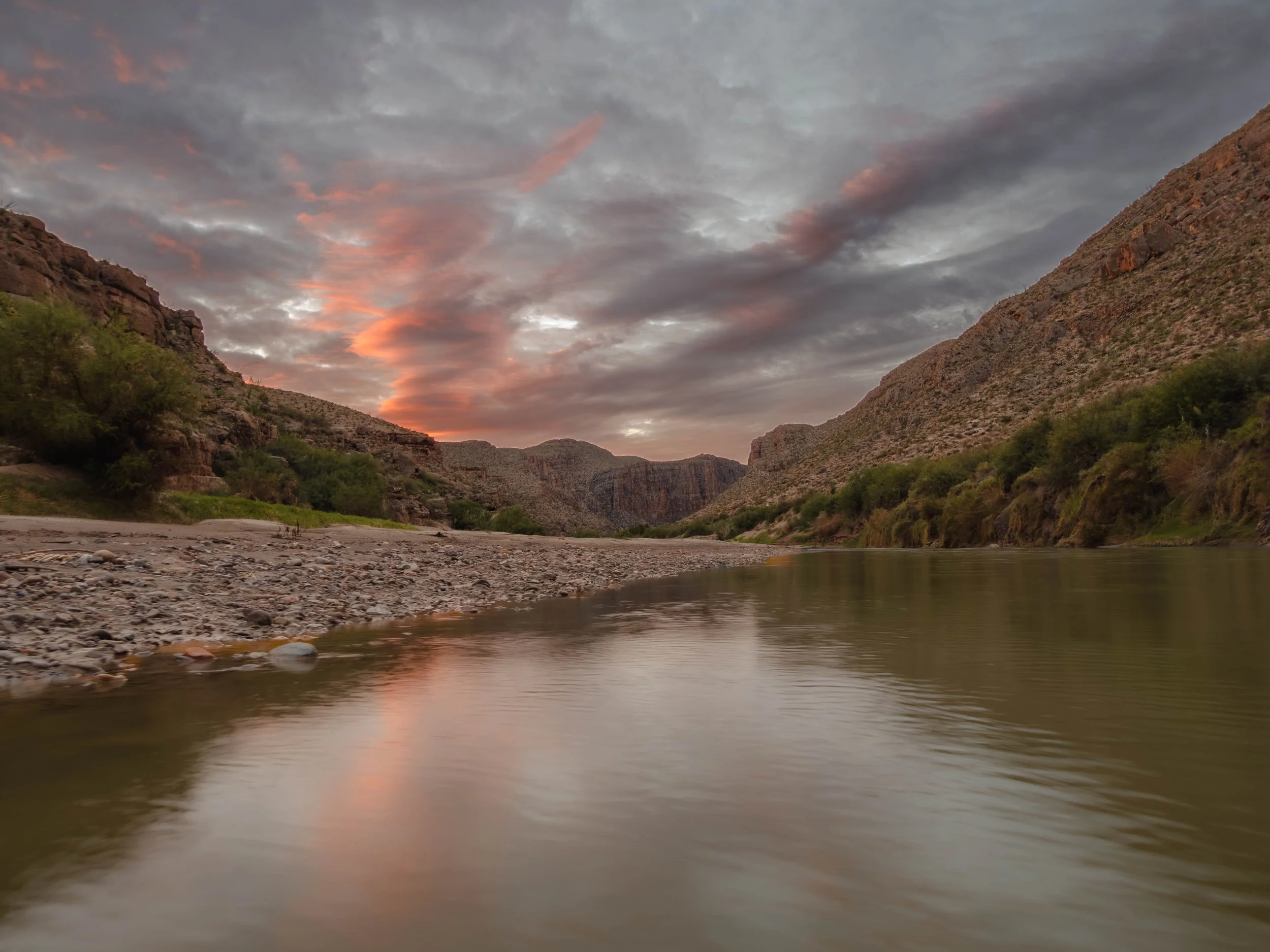
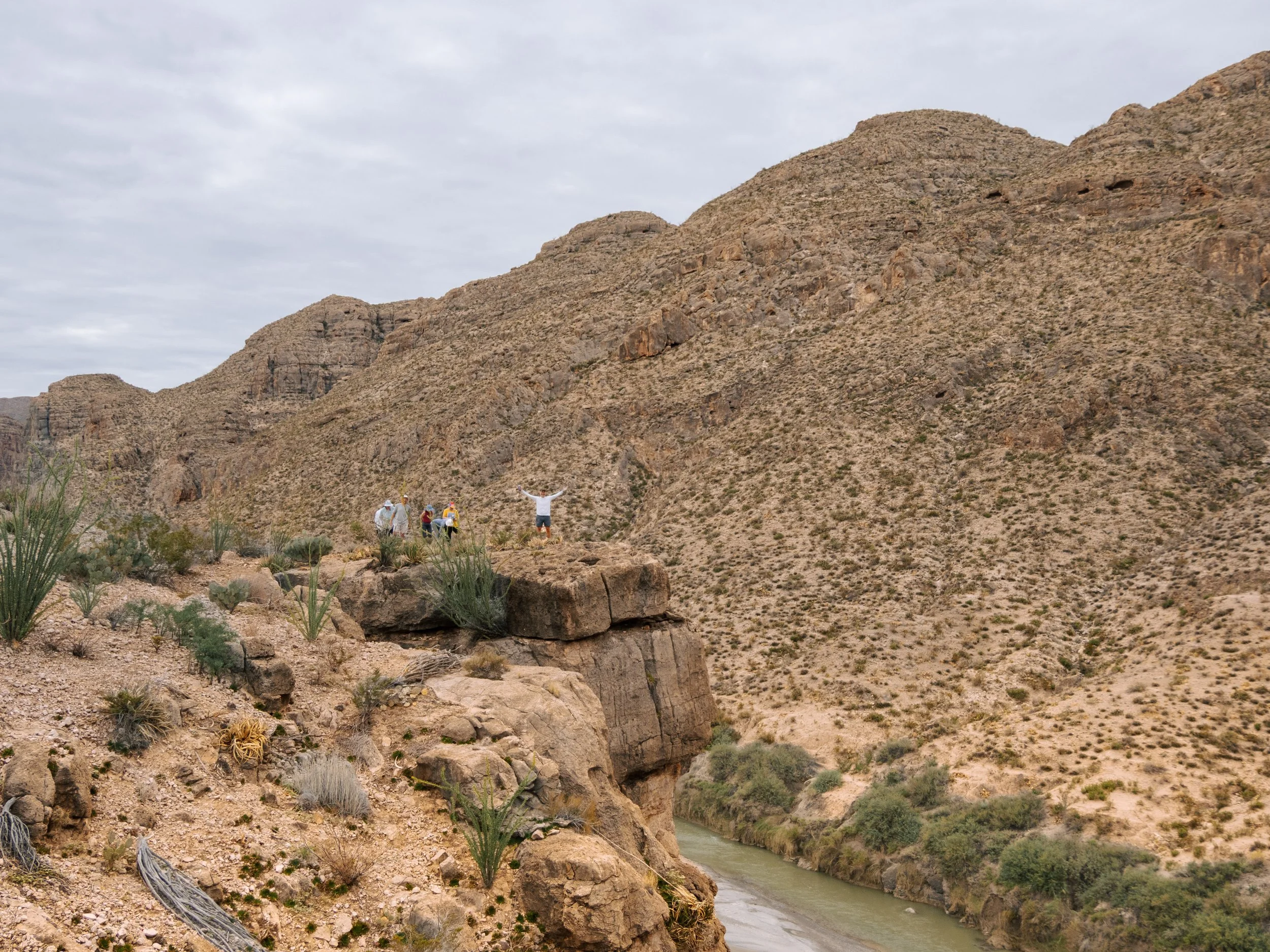
Halfway through our journey, our guides led us on a hike that rewarded us with sweeping views of the Sierra del Carmen. At this elevation, we were stunned by the striking beauty of the surrounding flora. Immersing ourselves in the river's embrace had already felt like a privilege impossible to surpass, yet Boquillas Canyon reminded us that its beauty stretched far beyond our imagination, with so much more to discover, protect, and leave untouched.
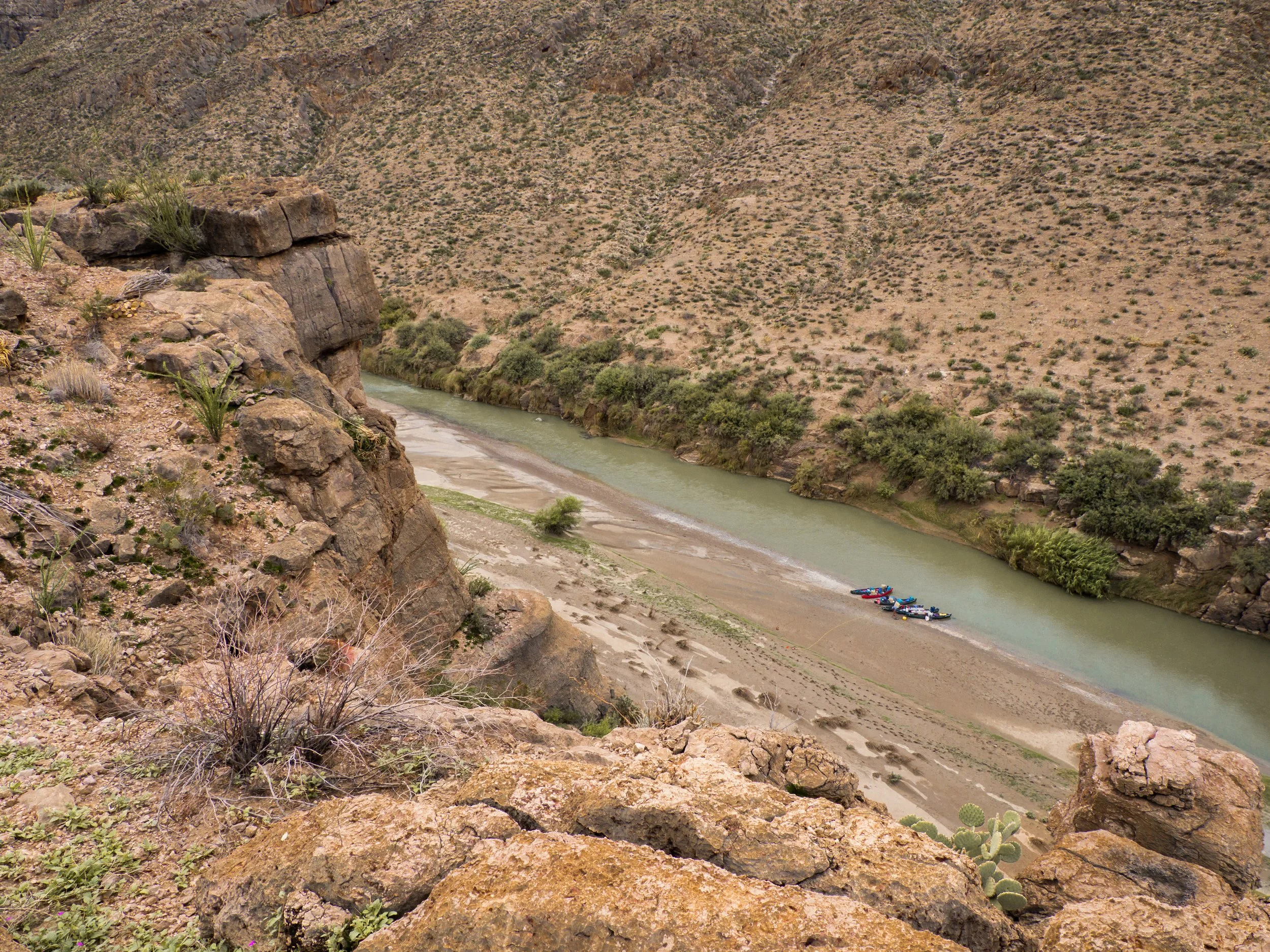
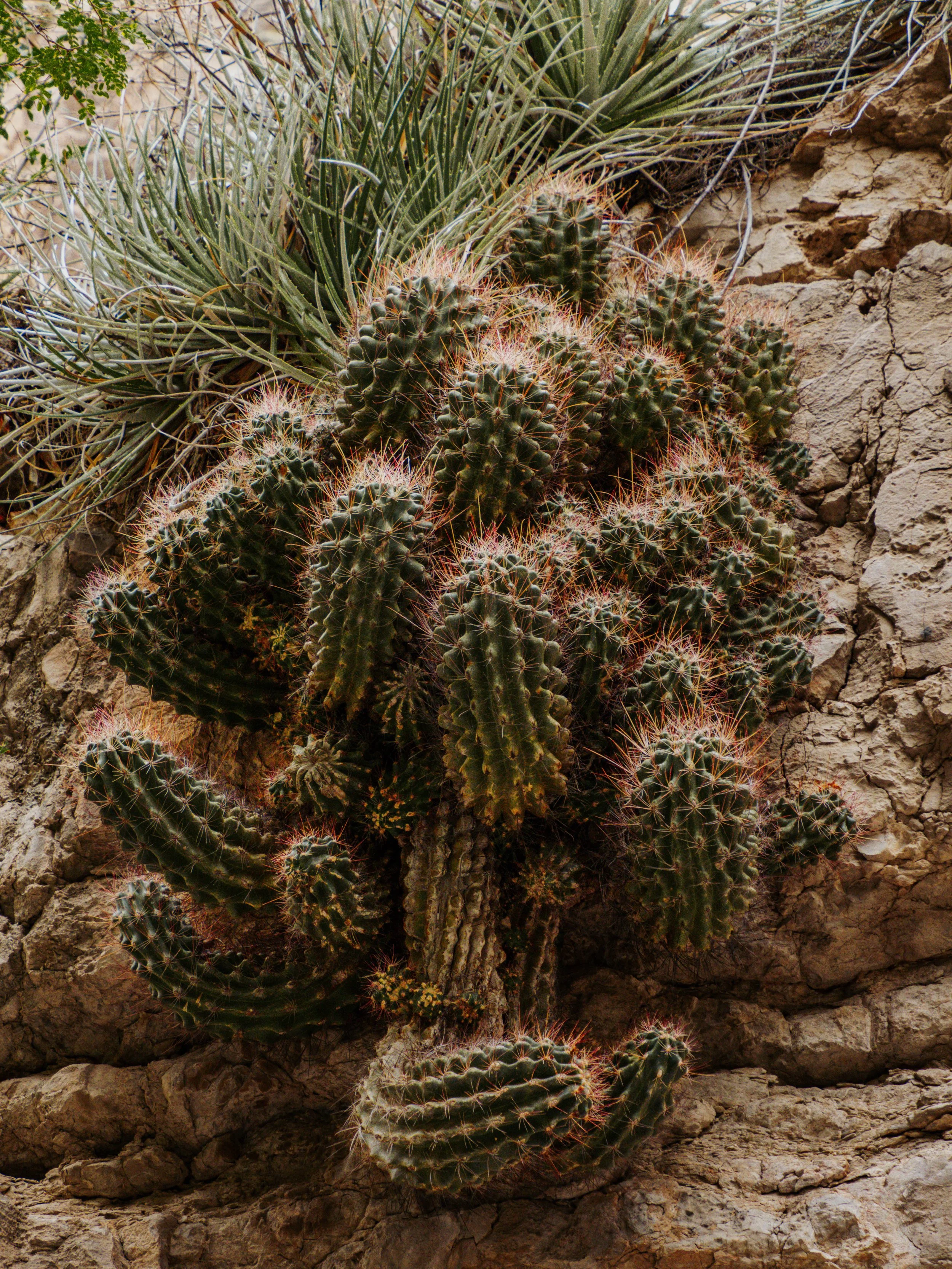
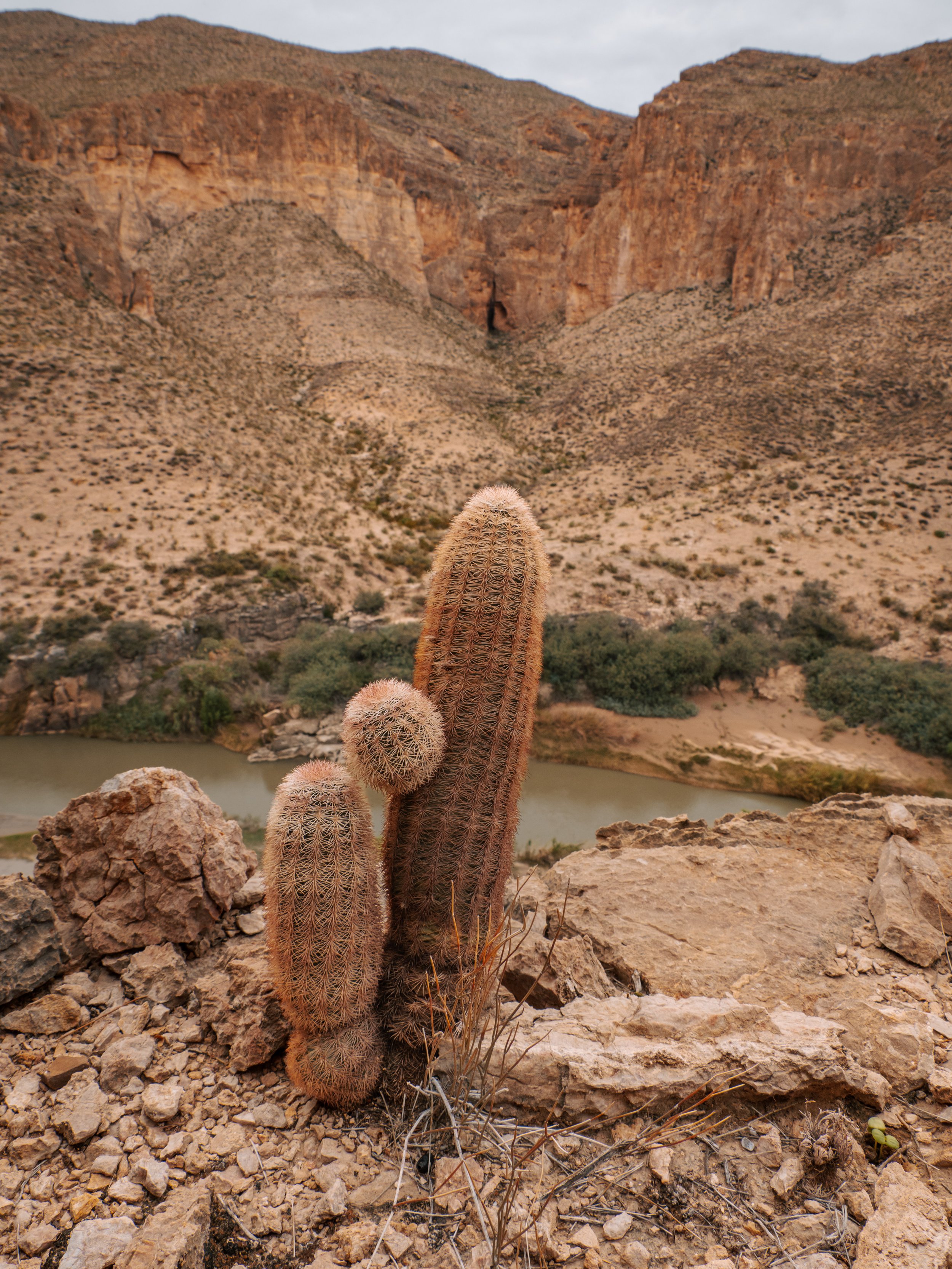
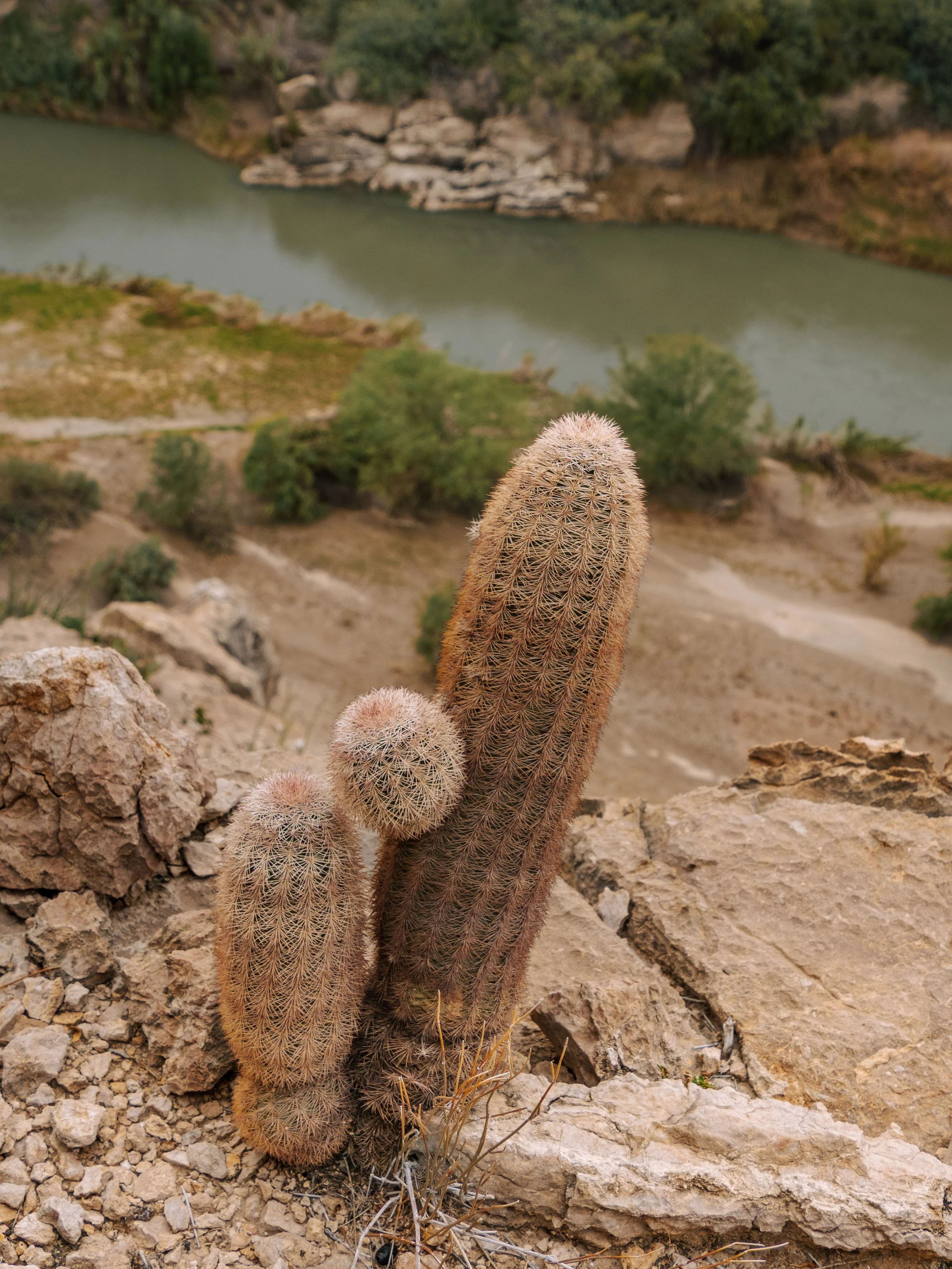
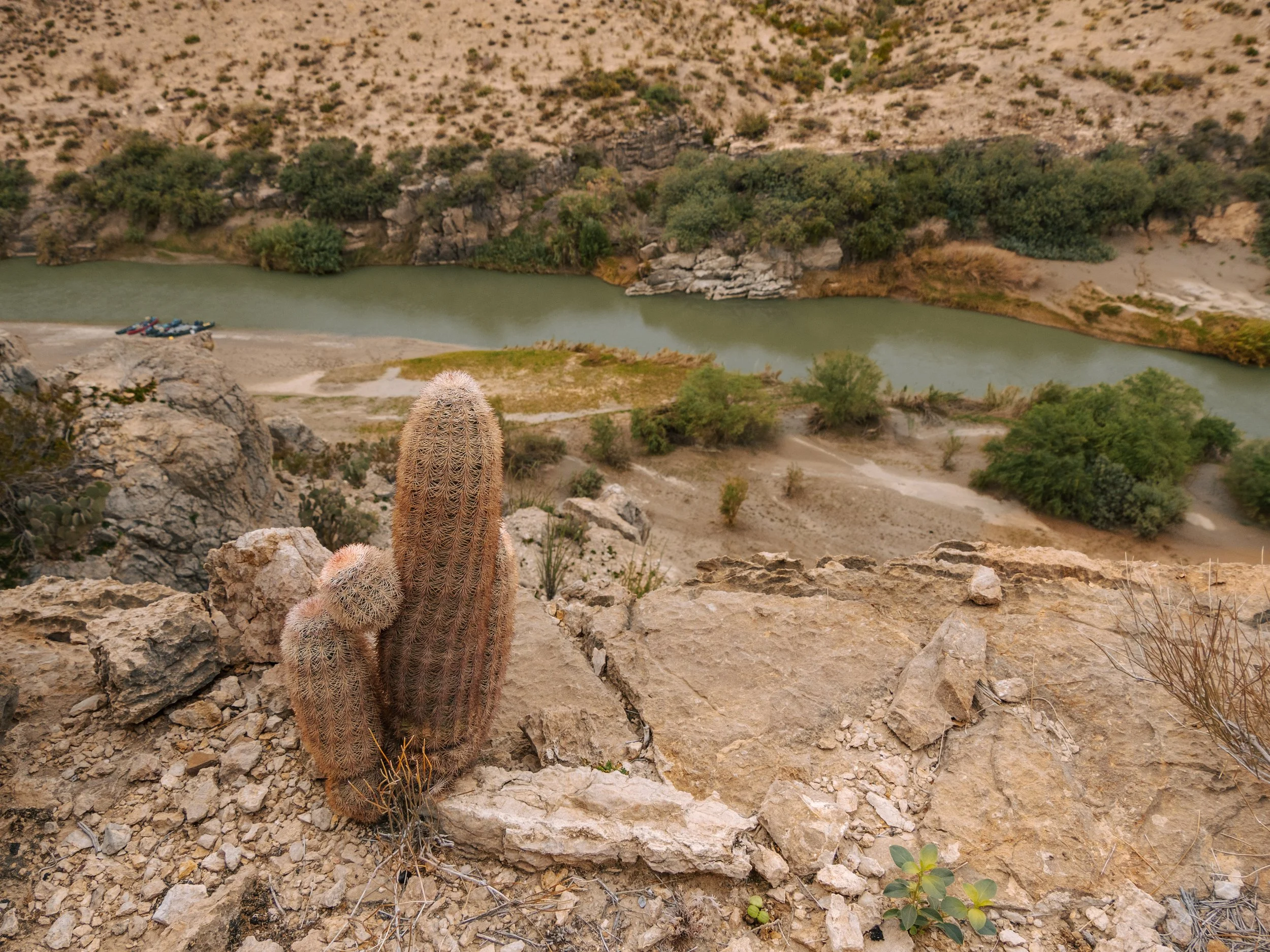
Up close, our guide pointed out a Texas rainbow cactus, part of the largest cluster he had ever witnessed. He explained that these cacti typically grow to just over twelve inches, but this particular specimen stood nearly two feet tall. Despite its precarious location, I carefully shimmied down the canyon slope to find a better angle of its unique desert aesthetic. I knew I couldn't let this rare moment pass. Although its blooming season had ended, this perennial was a beautiful demonstration of resilient beauty in an unforgiving landscape.
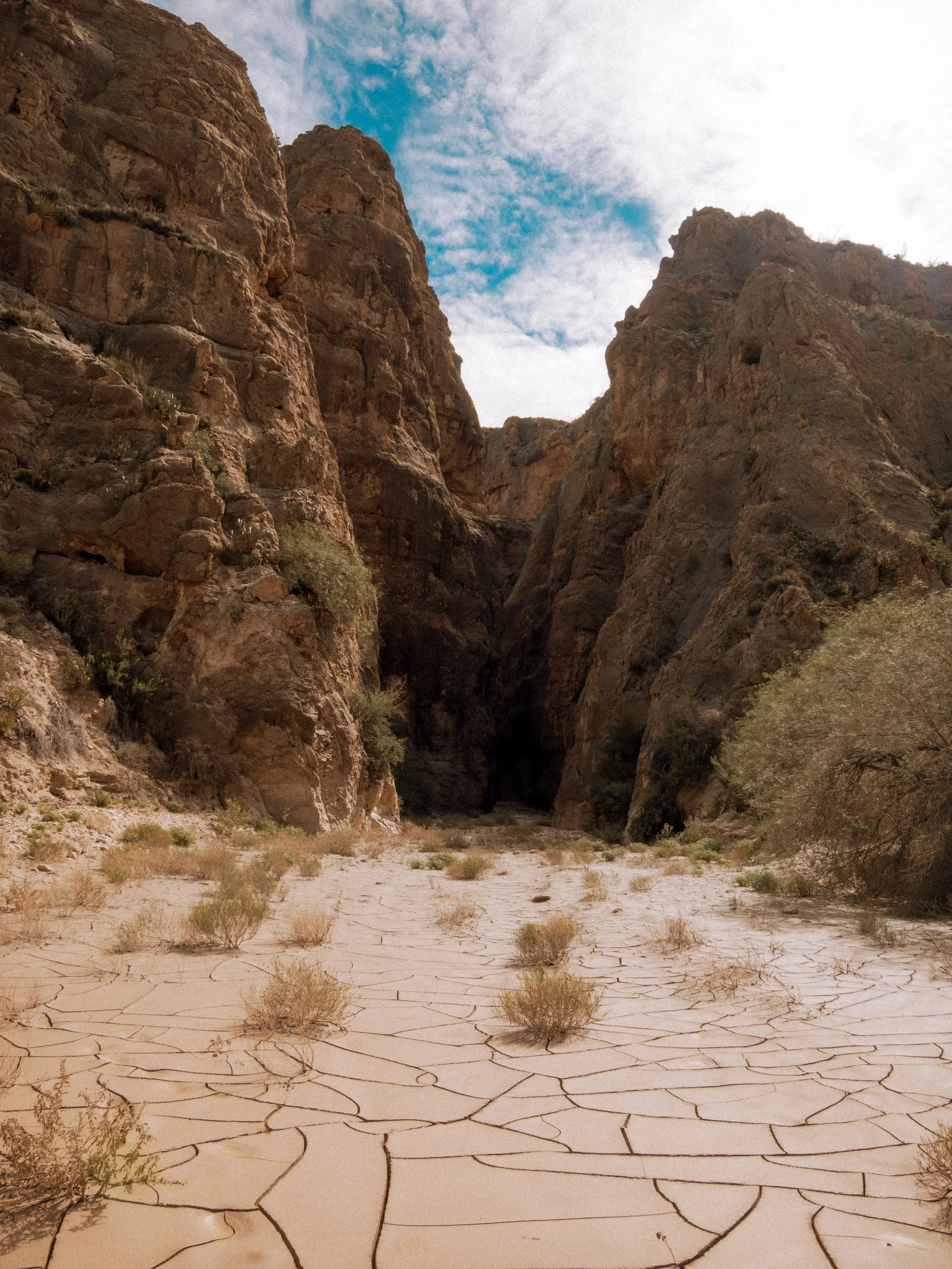
A final hike was planned through El Guero Canyon, a beautifully carved slot canyon in Mexico. My only previous memory of hiking through a slot canyon was in 2019, at Annie's Canyon in San Diego, where tourists, graffiti, and carved-out stairs filled the narrow passageways. This experience felt very different, and not just for the obvious reasons.
The cracked mud, still thick and slick from recent rainfall, challenged our determination to reach the mouth of the slot canyon. Still, its beauty called us to enter. Then, the air shifted from silent to roaring, with no clouds in sight to suggest an approaching storm. A Border Patrol helicopter entered the canyon at a speed that seemed urgent, although none of us had been aware of anything beyond our little world for the past few days. Its presence was a deafening reminder of the forces that so often feel beyond our control. For a moment, its siren blared, perhaps to gauge our reaction, before the sound faded. Nevertheless, we continued our journey.
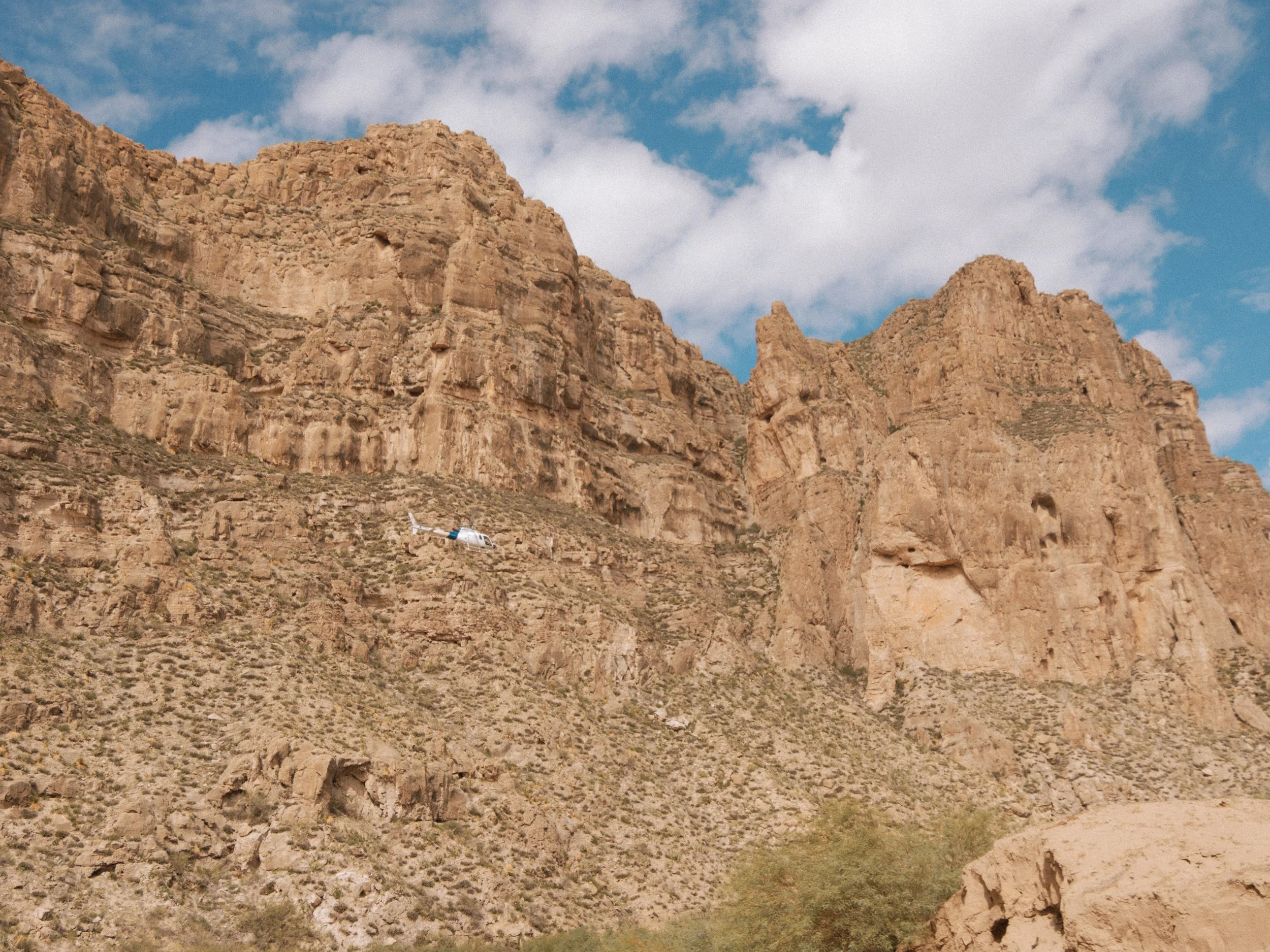
Border Patrol helicopter, Boquillas Canyon. October 2026.
Few people venture into this desert slot canyon each year, and it is particularly dangerous during flash flooding. Its smooth, textured walls are evidence of water's extraordinary power to shape the earth. In parallel, the Rio itself is evidence of a desperate thirst.
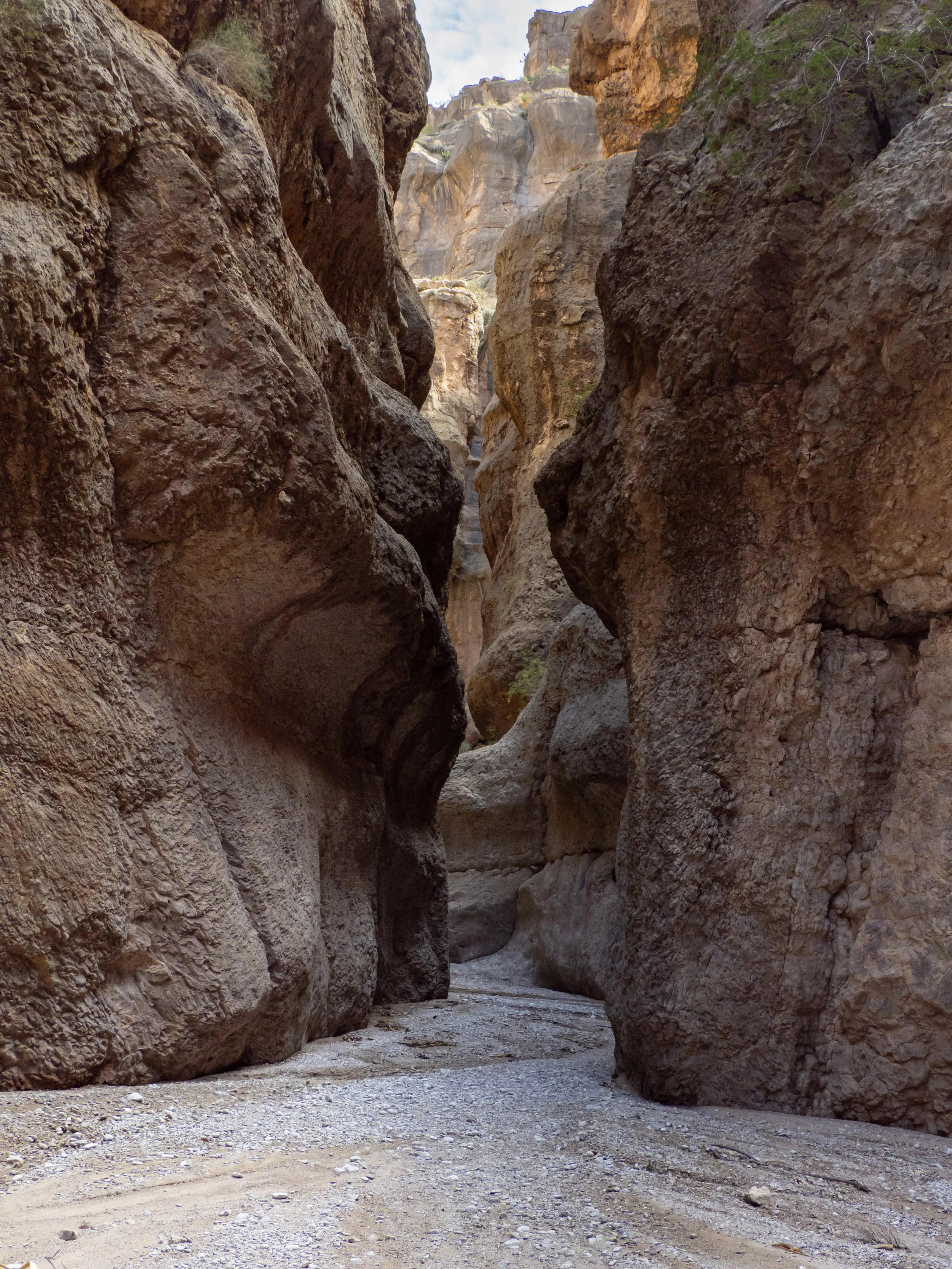
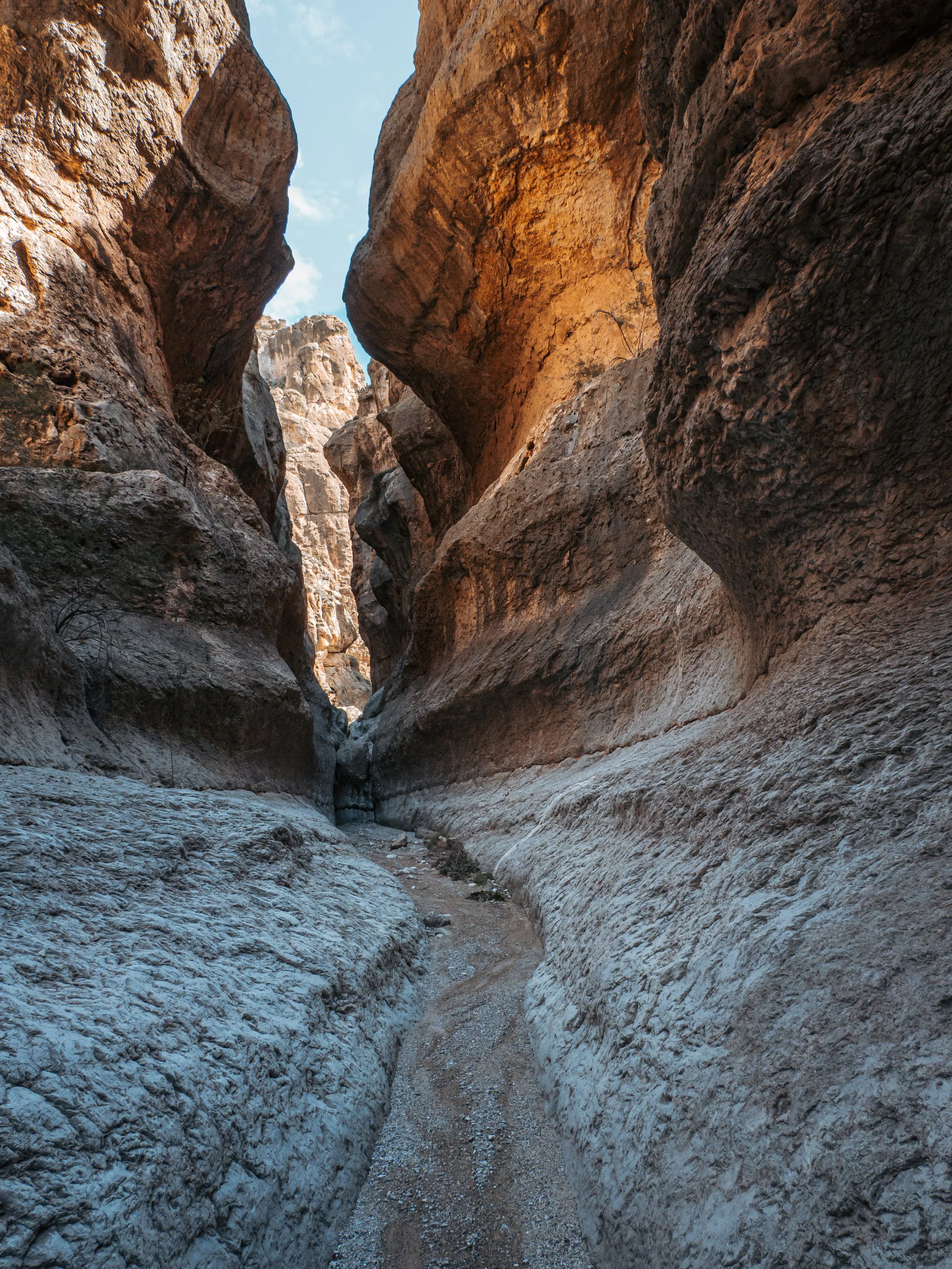
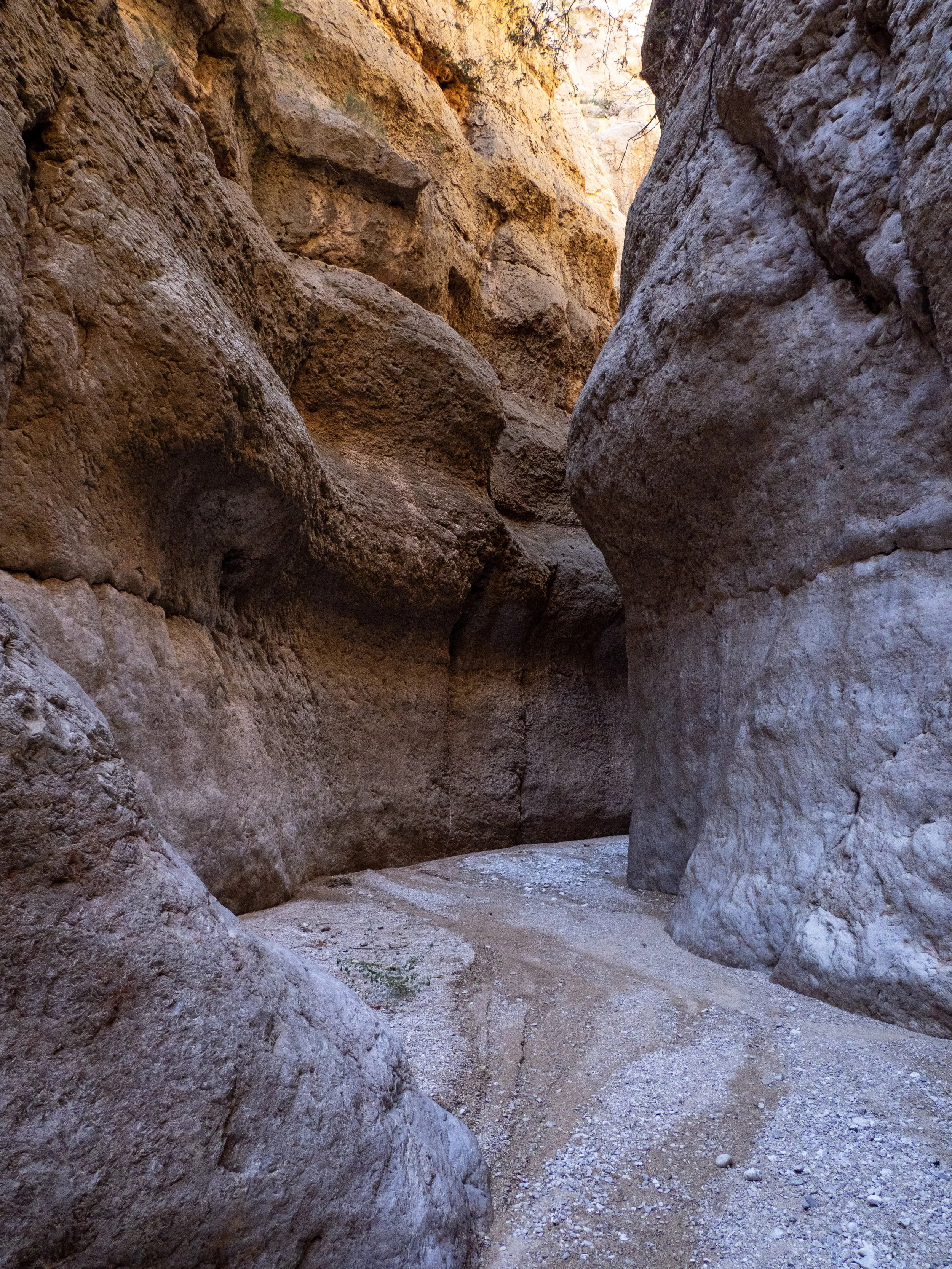
The final leg of our 33-mile adventure consisted mostly of calm, lake-like waters. No longer would I hear the fluttering wings of bats, stretch my neck to see the edges of towering canyon walls, or wonder what awaited us beyond the next side canyon or cliffside. It was a bittersweet ending. I felt accomplished having fulfilled a dream of mine to canoe down a river over multiple days, but I also found myself longing to stay, even if only for one more day. I looked back and smiled with a heavy heart, grateful for the gift of this experience.
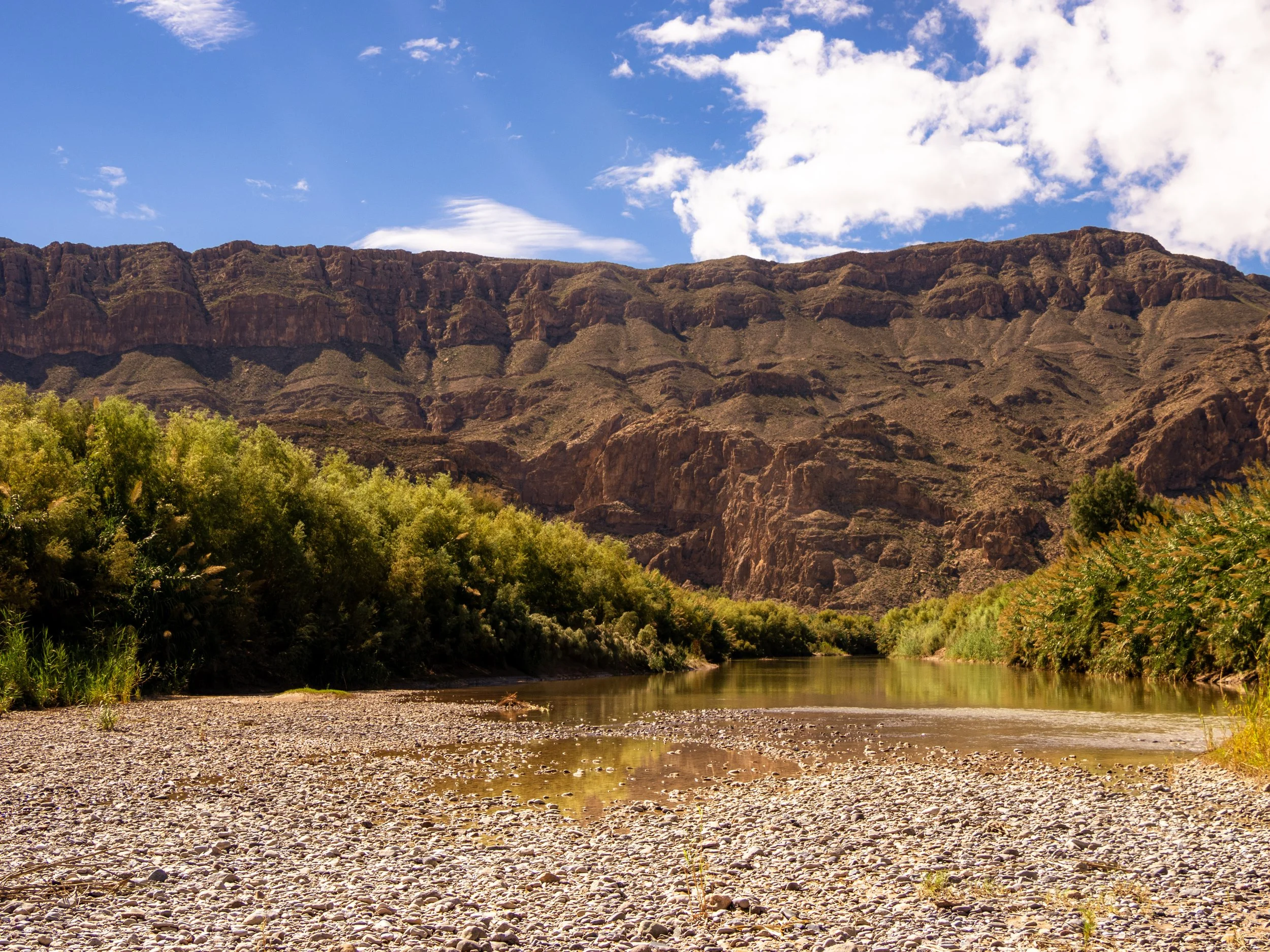
East end of the Boquillas Canyon. October 2026.
With just a couple more nights of cowboy camping beneath the Milky Way ahead of us, our group paddled with ease between native common reed and invasive giant cane. It wouldn't be long before we officially exited the national park and found ourselves surrounded by private properties. Without the uneven rocks and winding bends, the water was especially quiet. What it lacked in sound, however, it made up for in sight.
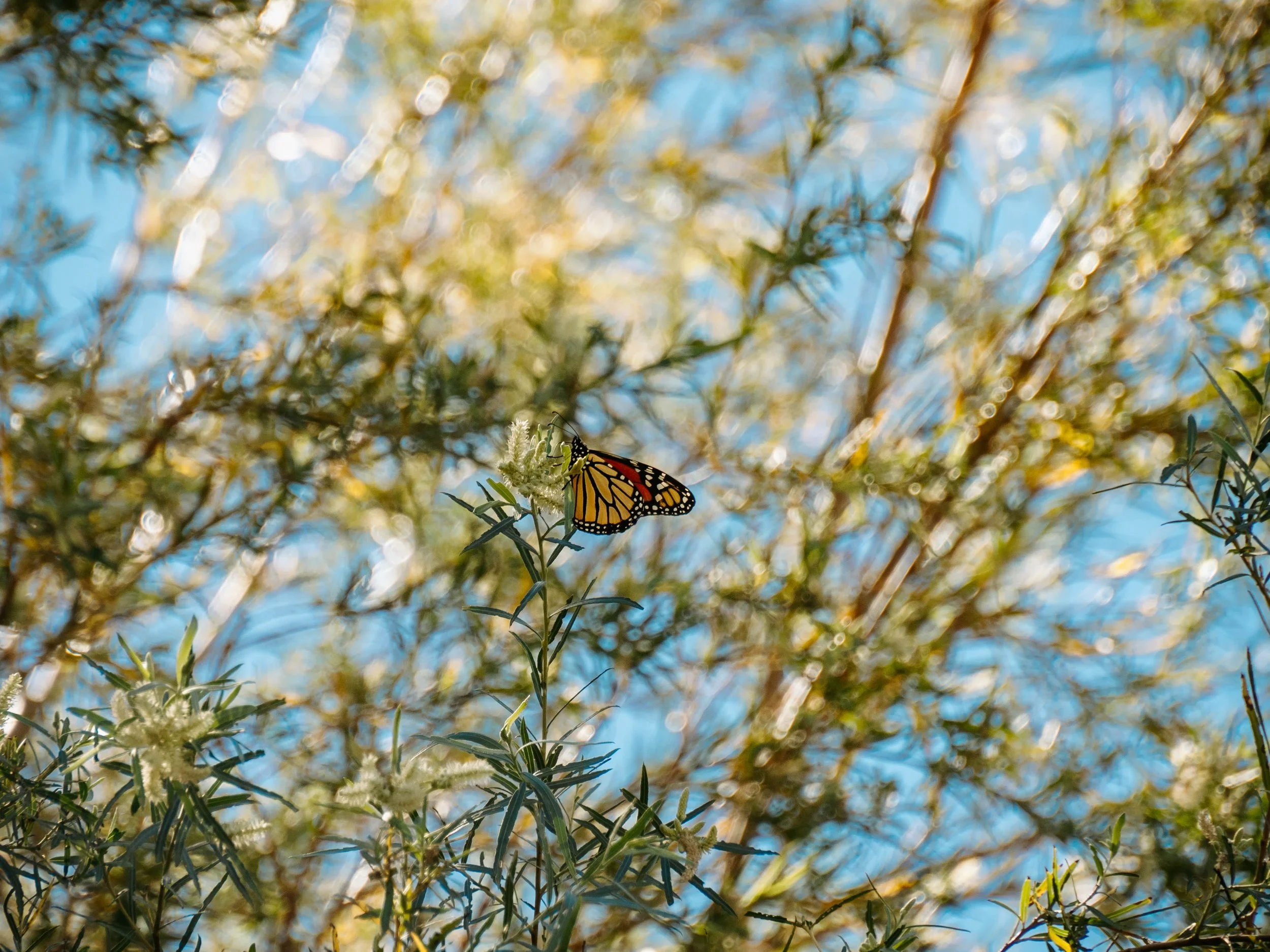
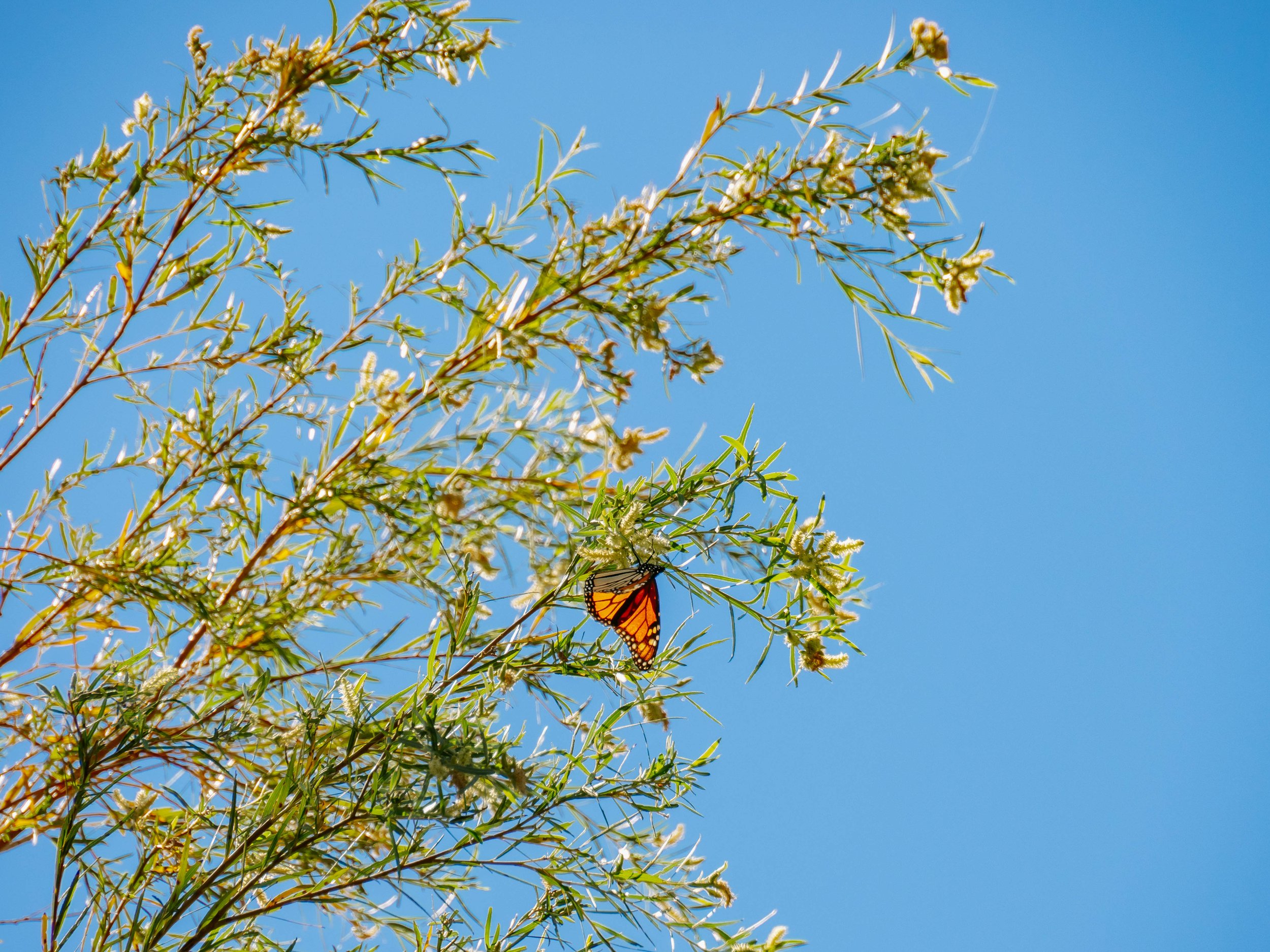
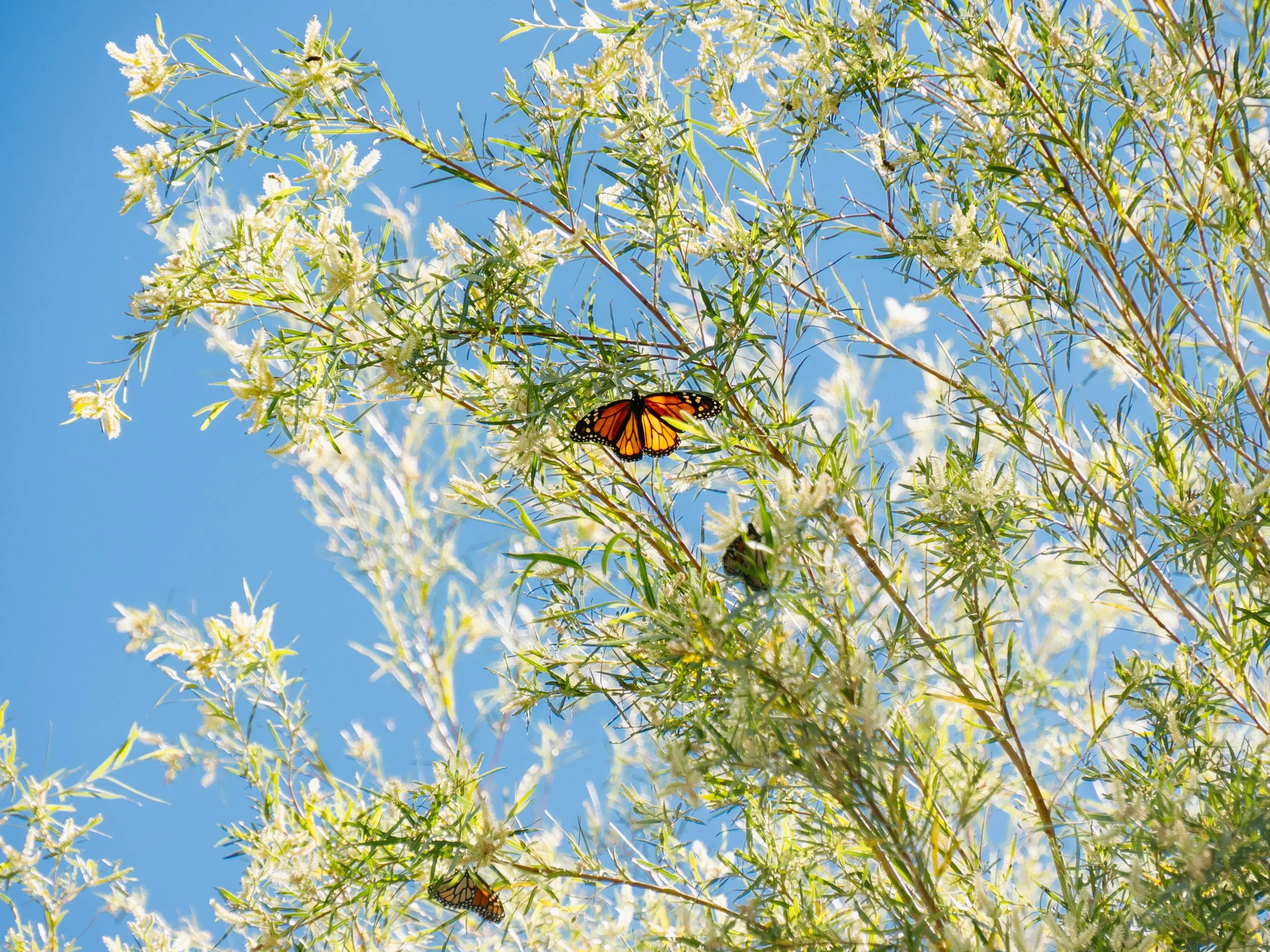
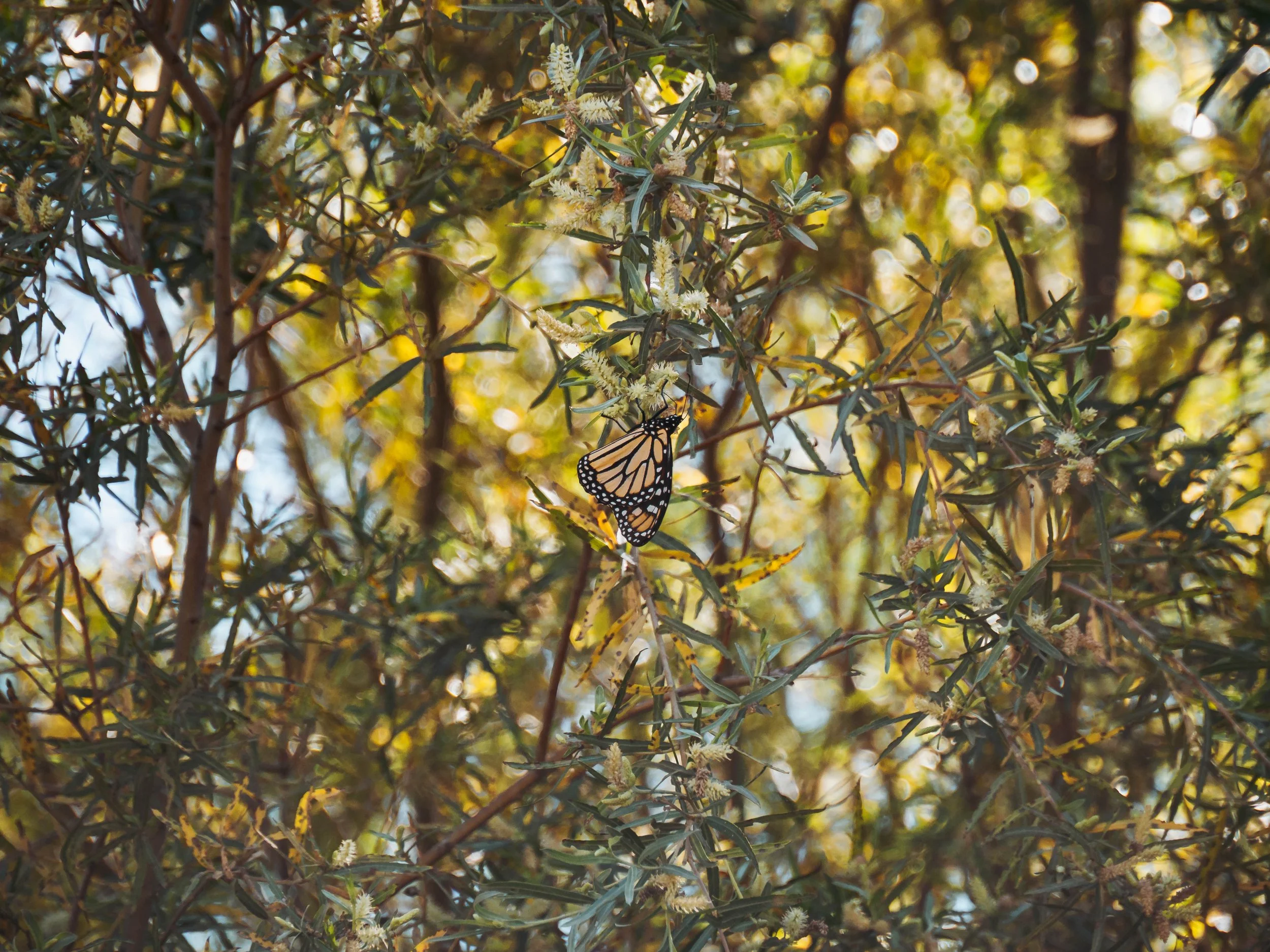
One by one, Monarch butterflies began making their appearance, floating from one branch to the next, sometimes crossing the river entirely. I couldn't begin to count how many of these delicate beauties made their presence known. Suddenly, I had forgotten my sadness about leaving Boquillas Canyon. Life continued along the Rio.
I had entered a dreamlike state, almost brought to tears by the sight of their fall migration beyond my home in Texas. Our paths along the Central Flyway had brought us together in this moment, before the butterflies continued toward their wintering grounds in central Mexico. Months before this trip, preparations for border wall construction had included the removal of cottonwood trees, an already struggling species affected by prolonged drought and one that Monarch butterflies depend on throughout their migration through this region. I was grateful to witness them continuing their journey, searching for places to roost before moving farther south. Still, I couldn't help but wonder what the future would hold for these elegant North American natives.
Our final days and nights allowed us to reflect on this life-altering journey. When we seek adventure, we often leave with a sense of achievement and partial satisfaction, but I find myself returning with even more questions and a deeper sense of wonder. While I enjoyed engaging in conversations with the group and offering different perspectives on the nuances of human experiences, I also found a profound sense of peace in isolation. No thoughts, no chores, no plans. I simply wanted to bask in the present. Sometimes, mindlessly search for the perfect skipping rock. Within this relaxed state, I find myself creating some of my best work.
Beyond learning more about the Sierra Club and what it has to offer, this was a truly unique opportunity to journey into the wilderness alongside professionals, including our incredible river guides from Far Flung Outdoor Center. Their knowledge of and love for our country's rivers motivated me to learn more about our most vital life source and better understand how we continue to lose it, one drought and development contract at a time.
Every trip, every club outing, and every conversation is an opportunity to experience the environment and share that experience with others. Perhaps those experiences will inspire someone to venture into the wilderness themselves, while those who never do can still find compassion for these places through our stories. Without our stories, this landscape, along with so many others across our nation, remains vulnerable to the hands of greed, pride, and ego.
We once valued our public lands as a collective, and I hope we can find our way back to the place where we belong: the great outdoors.
“No Al Muro”
— Skipper
